Call Allen-Taintor Dermatology - (801) 627-0515

(801) 627-0515

Patient Login
Pay Online
Allen-Taintor Dermatology | Ogden Clinic

Allen-Taintor Dermatology | Ogden Clinic

  • Home
  • Our Services
    • Skin Cancer
    • Skin Conditions
      • Acne Treatment
      • Eczema
      • Warts
      • Keratosis
      • Contact Dermatitis
      • Psoriasis
      • Other Skin Conditions
    • Cosmetics
  • About Us
    • Dr. David M. Allen
    • Dr. Adam R. Taintor
    • Our Staff
    • Patient Portal Information
    • Covid-19 Patient Information
    • Blog
  • Products
  • Specials
  • Contact
    • Pay Online

Halloween Body Paint And Your Skin: Avoiding Skin Damage With Safe Practices

Home / Archives for allentaintor

Many people enjoy painting their bodies as part of their Halloween costumes. Body painting is an art form in and of itself, and is something that people have been doing for centuries upon centuries. However, it’s important to keep your skin and general health in mind when body painting. Not all paints are good for your skin, and prolonged use of body paint can lead to adverse reactions.

Here is what you need to know about painting your body for Halloween and how to keep your skin and health safe while dabbling in body paint. Let’s get into it!

body paint halloween

Not All Paints Are Created Equal

It’s quite common for people who want to paint their bodies for Halloween to wonder if they can use standard paints for their costumes, like acrylics. However, if you’re going to paint your body, you want to use paint that is specifically made to be skin-safe and that has been approved for cosmetic use. Just because a paint is non-toxic, like acrylics often are, does not mean that they’re safe to use for body painting. 

Your skin is your body’s largest organ, and it’s important that you take care of it. While you can certainly partake in body painting, be careful to take proper care of your skin before and after painting it and only use paints that are specifically made for painting your body. There are many different risks associated with using normal paints for painting your body.

The Risks Of Painting Your Body

Before getting ready for Halloween, ensure that you patch-test the paint you want to use on your skin a few days beforehand. This way, you can determine whether or not you will have any adverse reactions before taking the leap and painting your body. 

Some of the risks of painting your body include:

  • Skin irritation
  • Rashes
  • Allergic reactions
  • Burns
  • Acne
  • Skin-staining
  • Absorption of and exposure to harmful substances

Whenever you are painting your body, always ensure that the paint you use is specifically skin-safe and approved for cosmetic use. Keep it away from your eyes and mucous membranes. Ensure that you remove it at the end of the night – not just for the sake of your sheets, but also for the sake of your skin.

body paint halloween

Is Painting Your Body Safe?

You’ve likely heard horror stories about the actress in Goldfinger dying on set after being painted gold, the same as her character. While you breathe through your nose and your mouth so skin asphyxiation like this is not a concern, whether or not painting your body is safe comes down to the type of paint used.

For instance, in the Wizard Of Oz, the original actor for the Tin Man had to be hospitalized because they painted him silver with aluminum dust. This made him sick because the paint poisoned him. His replacement actor got an eye infection from the body paint. The actress who played the Wicked Witch of the West was burned by her body paint and it had to quickly be removed before it got the chance to seep into her injuries and become toxic. 

Paints that are not specifically make for cosmetic use can cause many different adverse reactions, from chemical burns, like the Wicked Witch of the West’s actress, to allergic reactions, to poisoning, like the actor for the Tin Man. Some paints have harmful chemicals that can absorb into your skin. Certain paints can clog your pores, resulting in acne and overheating. So, if you use a type of paint that is not skin-safe, no, painting your body is not safe. 

However, there are many different types of professional body paints that are indeed safe to use. Professional body painters are careful to mind the health and safety of their models and take great care to exercise caution in order to create a safe environment. If you want to paint your body for Halloween, ensure that you use proper body paint for it. That way, you can both look cool and ensure that you’re keeping your skin safe. 

body paint halloween

How To Safely Paint Your Body For Halloween 

Before using any body paint, treat it the same way you would a new makeup or skincare product, by patch-testing it before committing to it. Water-based body paints are easier to remove than oil-based paints, and are less likely to cause skin irritation. Ensure that the paint you use is specifically designed for body painting and is non-toxic. 

You likely won’t be able to find cosmetic-grade paints at your local arts and crafts stores, so ensure that you purchase them from a reputable retailer. Professional body painters will typically list their favorite paints and what paints they advise you to steer clear of. 

Do not paint over any damaged, irritated, or infected skin. If you have any pre-existing health conditions, ensure that you consult with your doctor prior to painting your body. 

Ensure that you properly clean and dry your skin prior to using the paint. Use an applicator that won’t push the paint into your skin. Some people like to use primers or other barriers to keep the paint further away from their skin. Be sure to remove it completely at the end of the night and conduct your normal skincare routine. 

If you experience any adverse reactions to painting your body, a doctor or a dermatologist can help you. 

Allen-Taintor Dermatology can help you with many different skin conditions from rashes to skin infections and more. Contact us today to schedule your dermatology appointment and let us help you take care of your skin. 
Filed Under: Skin Conditions

If you have skin issues, there are a few different people you can see for treatment. In some cases, your primary care physician can help you, but for others, you should see a dermatologist. Dermatologists can treat both simple and complex skin problems ranging from acne to skin cancer. It’s important to know when you should see a dermatologist, as this can ensure that you obtain the treatment you need. If your primary care physician can’t treat your skin issue, they’ll likely refer you to a dermatologist. However, there are cases where it is faster and better for you to go right to a dermatologist. 

Here is what you need to know about some of the times when you should see a dermatologist. While this information may be useful, if you have any skin concerns, it is best to talk to your dermatologist in order to obtain a diagnosis and treatment options. 

Allen Taintor Dermatology Ogden UT Acne Skin Care

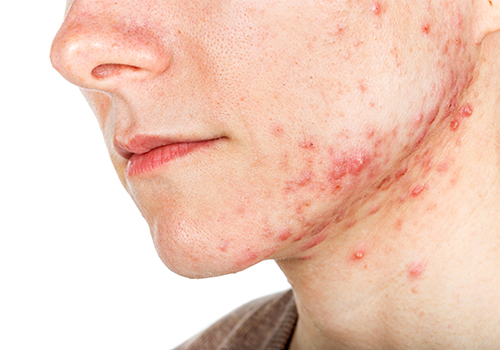
#1. Your Acne Isn’t Responding To Treatment

Some acne can be normal from time to time, as many women notice pimples around their time of the month. However, if you have persistent or severe acne that isn’t responding to over-the-counter treatments, this is something that you should see a dermatologist about. 

Your dermatologist can determine the cause of your acne, whether it be within your skincare routine or the result of an imbalance or something else. They can prescribe treatments, such as medications and creams, that can reduce your pain and inflammation and help you to heal. Your dermatologist can also help with scarring, preventing it and minimizing it. 

In some cases, what looks like acne is actually another skin condition, such as rosacea, which would be why your acne treatments aren’t working. Your dermatologist can diagnose the skin issue and ensure that you receive the proper treatment. 

#2. Your Skin Is Persistently Flushed

It’s normal for us to get flushed if we’re embarrassed or if we just exerted ourselves. However, if you’re persistently flushed, especially around your nose and cheeks, you should see a dermatologist. This constant blush that’s accompanied by acne-like spots could be rosacea. Rosacea is not a skin condition that currently has a cure, but there are things that you can do to both treat it and manage it. Your dermatologist can diagnose the cause of your redness and determine a course of action best suited to you. 

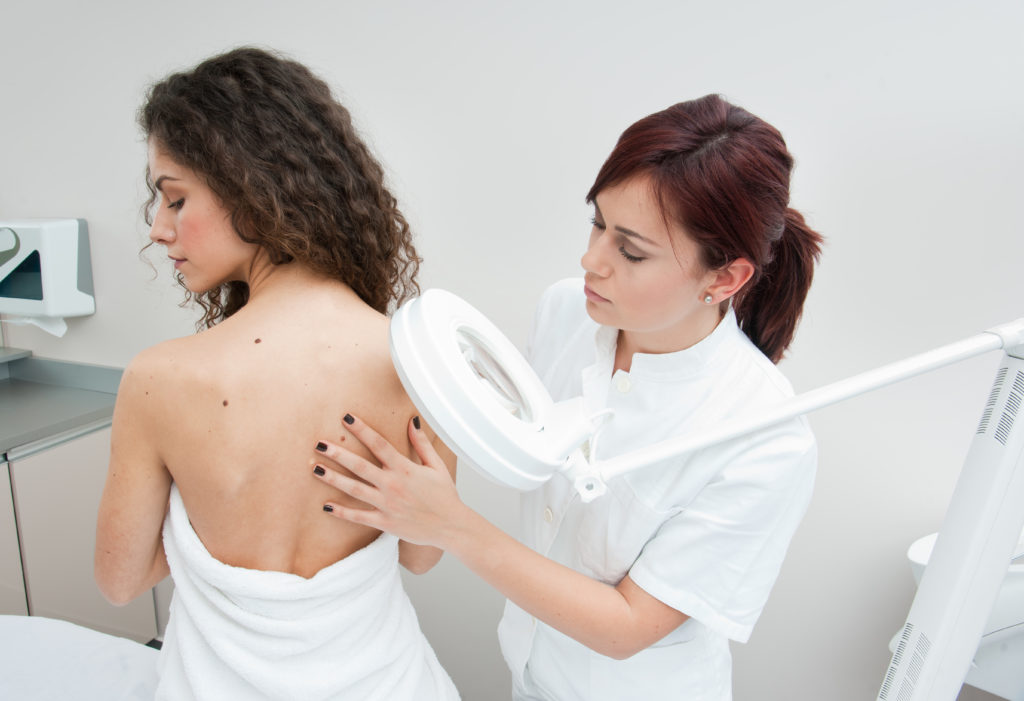
#3. You Have A New Or Changing Mole

see a dermatologist Allen Taintor Dermatology see a dermatologist

You always want to keep an eye on moles, as they can be a sign of skin cancer. Moles can be benign, but if you have a new mole or one that is changing in size, shape, and/or color, you should see a dermatologist. Your dermatologist will be able to determine whether or not your mole is cause for concern. Having skin growths such as moles looked at can end up saving your life. 

Moles aren’t exclusive to white people. People with any color of skin should see a dermatologist to have moles and skin growths checked out, as skin cancer can happen to people of all races. If you have existing moles, even if you’ve had them all your life, it’s a good idea to have them checked regularly, such as during a yearly appointment, in order to ensure that they are still benign. 

#4. You Have A Rash

Rashes can be caused by all sorts of different things, from eczema to infection to allergic reactions. If you have a rash that burns, itches, or is otherwise irritating, you should see a dermatologist. Over-the-counter creams and treatments may help, but a dermatologist will be able to diagnose the underlying cause and ensure that you receive proper treatment. 

Depending on the cause of your rash, it can worsen if it is not treated quickly enough. If you have circular rashes with raised borders, this could be ringworm. Some skin rashes need more attention than others. You should see a dermatologist in order to have the cause of your rash diagnosed so that you can find relief.

#5. You’re Experiencing Hair Loss

screen your skin Allen Taintor Dermatology

A lot of people don’t realize that you can see a dermatologist for hair loss. It’s normal to shed some hair each day. However, if your hair is thinning or you’re getting bald patches, this could be a sign of a serious condition. Your dermatologist can diagnose the cause of your hair loss and provide you with medication and other solutions that can help. 

Do You Need To See A Dermatologist?

These are but 5 of the times in which you’ll want to consult with a dermatologist. Allen-Taintor Dermatology can help you with your skin concerns. We can diagnose and treat your issues, as well as screen your skin for signs of skin cancer. Contact us today to schedule an appointment and let us help you keep your skin healthy.

Filed Under: Dermatologist

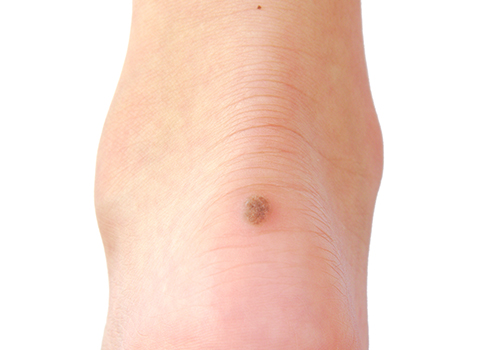
Warts are aesthetically unappealing growths on your skin that can vary from cauliflower-like raised patches of skin to threads or frond-like growths to callus-like growths on the soles of your feet. While typically benign, most people don’t like having warts and want to know how to make their warts go away. If you have warts, you may be wondering whether they’ll go away on their own or whether you will need to schedule an appointment with a dermatologist in order to obtain treatment. 

Here is what you need to know about warts, if they go away on their own, and what type of treatment options are available to you.

Allen Taintor Dermatology Ogden UT Wart Removal

What Are Warts?

Warts occur when you’ve been infected with HPV (human papillomavirus). This causes your skin cells to grow faster than normal. There are many different types of warts, from common to genital. 

Some of the most common types of warts include:

  • Common. These warts have a cauliflower-head-like texture. They can appear on their own or in clusters. They’re usually found on your fingers, toes, or on your knees.
  • Planter. These look like calluses, but with small black dots. They can feel tender under pressure, as they appear on the soles of your feet. They also can appear by themselves or in clusters.
  • Plane. These are flat warts the same color as your skin. They often appear on your face, hands, and shins. People usually have multiples of these.
  • Filiform. These warts look like threads or fronds growing from your skin. They appear on your face and often grow very quickly.

What Causes Warts?

As previously mentioned, warts are caused by the infection of HPV. Warts are highly contagious, which is part of why you may be wondering if warts go away on their own, as you don’t want to get more. You can get warts from someone else or from touching your wart to another part of your body. You can pick up HPV when walking barefoot in public areas or through a cut or injury. People who are immunocompromised are more likely to get warts. Occupations that involve handling raw meat also increase your risk for warts.

Do Warts Go Away On Their Own?

They can, and often do. If warts go away on their own, it can take up to 2 years for your warts to disappear. However, some warts will stay put unless you have them treated. As many people do not want to wait for years nor do they want to risk giving themselves or other people more warts, there are treatment options available to help warts go away quicker.

warts go away

How Do You Treat Warts?

Warts can be treated in a variety of different ways. You can try a variety of home treatment methods, and if your warts don’t go away within a few months, you may seek out professional treatment. 

Some of the treatment methods for warts include:

  • Salicylic acid. This is in many different over-the-counter wart treatments. Daily use over the course of months can make warts go away in many cases.
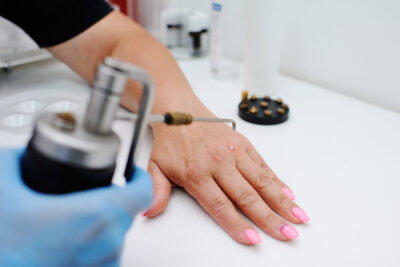
  • Freezing. This is also known as cryotherapy. This is when liquid nitrogen freezes your wart and the surface layers peel away. This is needed every week or two weeks for the course of several months. It is very effective in many cases.
  • Electrosurgery and cutterage. This burns away the base of your wart, making it a good option for big warts that have not responded to other treatments. It can cause scarring.
  • Excision. This is when your doctor cuts out your wart. 

There are several other types of treatments to make warts go away. Your dermatologist can help you determine the best option for you. 

If your wart is bleeding, hurts, you suspect it may not be a wart, your wart is on your face or your genitals, there are multiple warts, or you have a weakened immune system or diabetes, you should see a doctor prior to attempting home treatments for your warts. You may also consult with a doctor about the best treatment method for you.

How Do You Prevent Warts?

If you’ve already gotten a wart, it’s likely that you’ll end up developing more at some point in the future. You can prevent the potential of getting more warts by:

see a dermatologist Allen Taintor Dermatology
  • Not touching other people’s warts.
  • Not sharing towels, bath mats, or socks.
  • Wearing slippers or flip-flops in public places, like gym showers.

Do You Need Wart Treatment?

Allen-Taintor Dermatology can help you make your warts go away with professional advice and treatment options. Contact us today to learn more or to schedule an appointment.

Filed Under: Warts

« Previous Page
Next Page »

Hours

Allen-Taintor Dermatology
3860 Jackson Ave #2
Ogden, UT 84403
801-627-0515
Monday 8:30 AM - 5:00 PM
Tuesday 8:30 AM - 5:00 PM
Wednesday 8:30 AM - 5:00 PM
Thursday 8:30 AM - 5:00 PM
Friday 9:30 AM - 2:00 PM
Saturday Closed
Sunday Closed

Directions

Contact Us

Follow Us

2022 Allen-Taintor Dermatology | Ogden Clinic | All Rights Reserved | Privacy Policy | Terms | XML Sitemap | Site by PDM