Call Allen-Taintor Dermatology - (801) 627-0515

(801) 627-0515

Patient Login
Pay Online
Allen-Taintor Dermatology | Ogden Clinic

Allen-Taintor Dermatology | Ogden Clinic

  • Home
  • Our Services
    • Skin Cancer
    • Skin Conditions
      • Acne Treatment
      • Eczema
      • Warts
      • Keratosis
      • Contact Dermatitis
      • Psoriasis
      • Other Skin Conditions
    • Cosmetics
  • About Us
    • Dr. David M. Allen
    • Dr. Adam R. Taintor
    • Our Staff
    • Patient Portal Information
    • Covid-19 Patient Information
    • Blog
  • Products
  • Specials
  • Contact
    • Pay Online

What Causes Eczema? 5 Important Facts To Know

Home / Archives for allentaintor

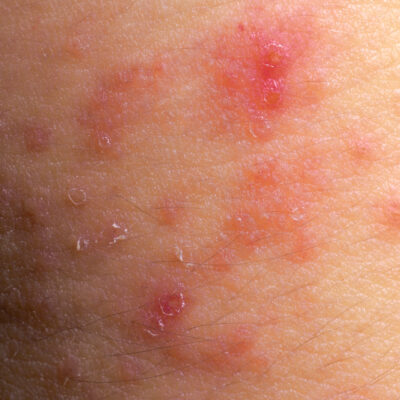
Eczema is an incredibly common skin condition that causes your skin to get itchy, dry, and bumpy. It weakens the functionality of your skin barrier, which is an essential part of keeping your body protected from the elements. For some people, eczema is more of a nuisance than anything else, but for others, it can seriously impact their life. 

If you struggle with eczema, a dermatologist can help you understand what causes eczema in your case and what can be done to alleviate your symptoms. 

Here’s what you need to know about what causes eczema, the different types of eczema, common eczema triggers, and what you should do if you suffer from this skin condition. 
causes eczema

What Causes Eczema?

What causes eczema is not yet entirely understood. That said, there are several factors that have been linked to eczema as probable causes. 

Some factors that can cause eczema include:

  • Genetics. If there’s a history of eczema in your family, you’re more likely to have it too. This is especially true if your family has a history of allergies, hay fever, or asthma.
  • Immune system. If you have an overactive immune system, external irritants can cause eczema flares. 
  • Defects in the skin barrier. This can cause your skin to let moisture out and bacteria in, which can cause eczema.
  • Environmental factors. Many environmental factors can cause eczema, from harsh fabrics to low humidity to pollutants in the air and more. 

What Doesn’t Cause Eczema?

Some skin conditions, like warts, are contagious. This can lead people to worry that if someone they know has eczema, they will get it too. However, eczema isn’t contagious. 

Some people also assume that eczema is an autoimmune disease. It is not classified as such, and research is still underway to better understand the connection between eczema and your immune system. 

The Different Types Of Eczema
Eczema Treatment Ogden Utah Allen Taintor Dermatology

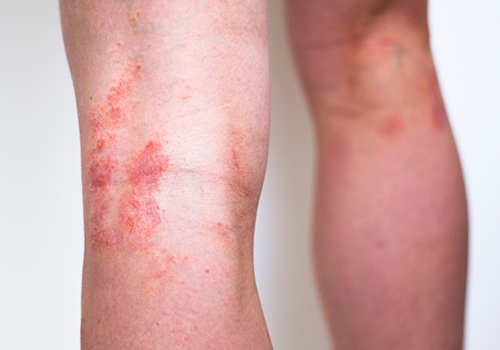
If you’re wondering what causes eczema, it’s important to note that there are multiple different types of eczema. Potential causes and triggers can vary depending on the type of eczema that you’re suffering from. 

  • Atopic dermatitis is what most people think of when they think of eczema. It’s the most common type, manifesting itself as itchy, dry skin with a rash.
  • Contact dermatitis is when your eczema is a reaction to something that you touched, like chemicals or latex.
  • Dyshidrotic eczema causes little blisters to form on your hands and feet. It’s more common in women than in men.
  • Hand eczema only affects your hands. You’re more likely to experience this type of eczema if your job exposes your hands to chemicals regularly. 
  • Neurodermatitis is like atopic dermatitis, with thick, scaly patches. It usually occurs in people with other types of eczema or psoriasis. 
  • Nummular eczema is when you have coin-shaped spots on your skin. It can be incredibly itchy and can result from insect bites or allergic reactions.
  • Seborrheic dermatitis is when you have oily, scaly patches of skin with dandruff-like flakes. This is called cradle cap when it occurs in infants. 
  • Status dermatitis is when your eczema has leaking fluid. It’s usually seen on your lower legs, due to poor blood circulation. 

Many people can go about their daily lives just fine with eczema. However, if your eczema interferes with your life or doesn’t go away, you’ll want to see a dermatologist to obtain treatment. 

What Triggers Eczema?

If you’re wondering what causes eczema, it can be helpful to keep a skin diary noting your diet, the types of activities you do, your skincare routine, and when you’re under mental duress. This can help you to notice patterns and potential triggers for your eczema flare-ups. 
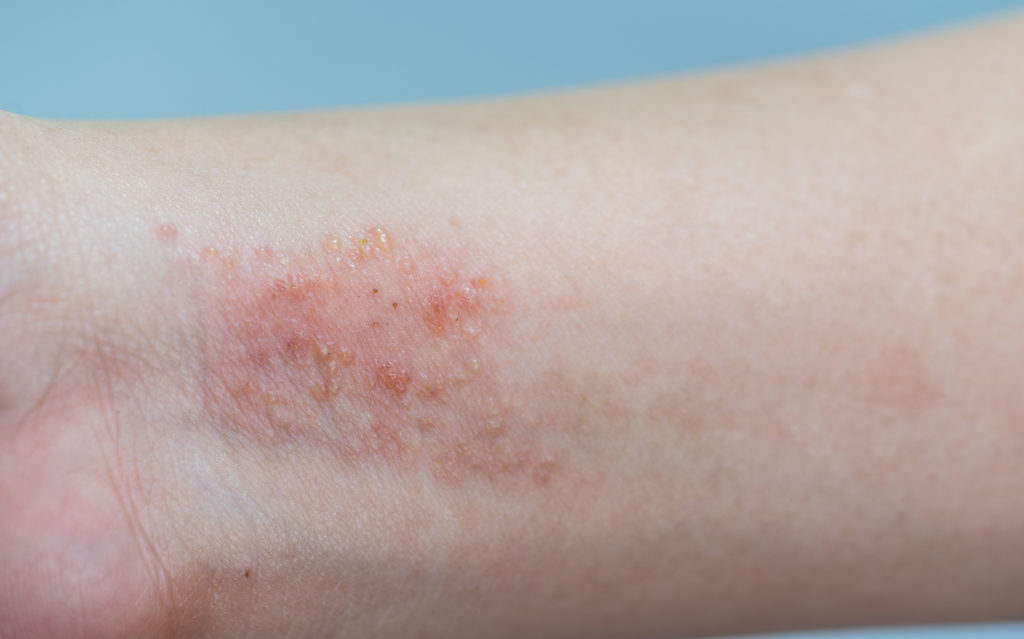
how to treat eczema Allen Taintor Dermatology

Some common triggers for eczema include:

  • Skin irritants
  • Allergies
  • Infections
  • Prolonged exposure to water
  • Being too hot or too cold
  • A low humidity, dry environment
  • Not moisturizing your skin
  • High stress levels
  • And many, many more

Can Eczema Go Away?

Eczema is very common in early childhood. If you have eczema as an infant, it may go away. However, if it persists into adulthood, it may be an ongoing struggle for you. Eczema can appear at any age. Depending on the type of eczema you have and what triggers it, you may have more eczema flare-ups or less.

If you’re struggling with eczema, it’s important to make an appointment to see a dermatologist. They will go over what causes eczema and various types of treatments in order to come up with a specific treatment plan for you. 
Allen-Taintor Dermatology provides eczema treatment. Contact us today to schedule an appointment and let us help you get your eczema under control!
Filed Under: Eczema

Even those who normally have clear skin may find themselves faced with hormonal breakouts around the time of the month. Your period is already a trying time – you may be moody, you may be bloated, and cramps can be so painful that some women can’t go to work during their time of month. Adding period acne to the mix can feel like cruel and unusual punishment. 

Period acne is fairly common, especially for those who are already acne-prone. But how does it differ from normal acne, and how can you deal with it? 

period acne

How Is Period Acne Different From Normal Acne?

Normal acne can result from many different sources. Your skincare, what you eat and drink, whether or not you’re someone who touches their face a lot, your hormones… Internal and external factors alike can contribute to pesky pimples.

Period acne, however, usually results from changes in your hormones. Around your time of month, your estrogen levels decrease. This causes testosterone to become your prominent hormone. Testosterone stimulates your sebaceous glands, which can cause your skin to secrete more sebum. Sebum is your skin’s lubricant, but when there’s too much of it, it can end up clogging your pores and causing inflammation – and ergo, breakouts. 

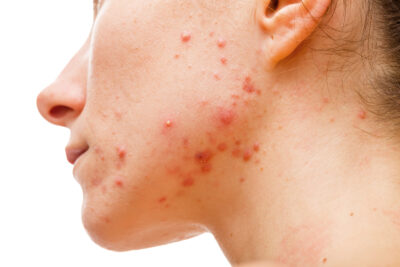
In teenagers, period acne tends to appear around their T-zone. In adults, they usually get hormonal acne around their mouth and jawline. The type of acne experienced can vary, from whiteheads to blackheads to painful cysts.

How To Deal With Period Acne

Dealing with hormonal breakouts can be a bit different than dealing with normal acne. If you regularly struggle with menstrual acne, it’s best to consult with your dermatologist. They will be able to provide you with treatment options specific to your skin and your health history. 

Given that acne can result from many different sources, ranging from your diet to your stress levels and more, it’s important to understand all possibilities before declaring that your hormones are solely to blame. 

That said, there are some helpful things that you can do to deal with period acne.

#1. Keep A Skin Diary

If you struggle with menstrual acne, it can be helpful to keep a diary that tracks your skin changes throughout your cycle. Many people find that their skin looks its best while they are ovulating while their acne flares up a week or so before their period begins. 

After a few months, you can notice common patterns. You can adjust your skincare and diet accordingly. Your dermatologist will be able to help you with options specific to you. 

#2. Don’t Pop Pimples!

popping pimples is bad for your skin

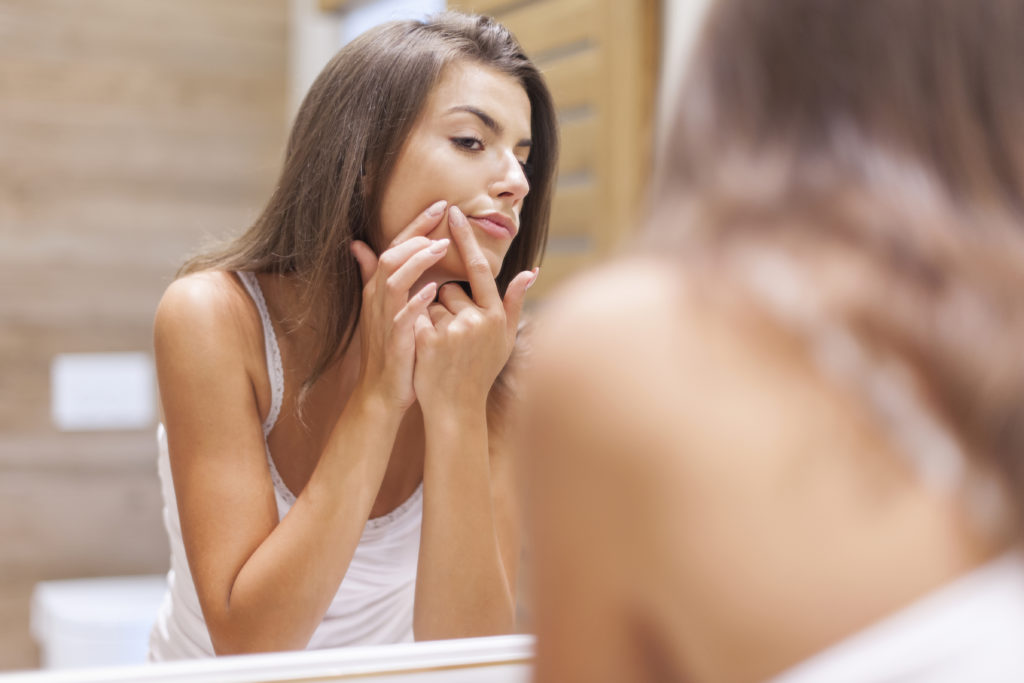
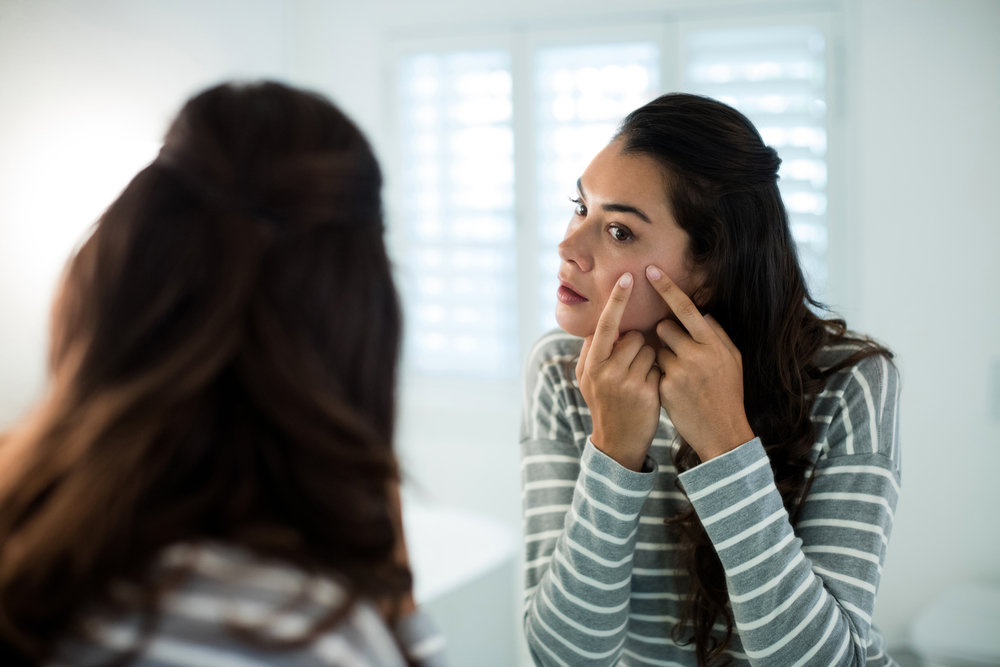
Popping pimples is oh-so-tempting, we know. It can feel very satisfying to get that grossness out. However, what many people don’t know is that popping pimples can actually make your acne worse. This is because it causes the inflammation to spread under your skin and exposes your pores to new bacteria. You especially don’t want to try to pop cystic acne. Not only can this be excruciating, but it can worsen your acne problems. 

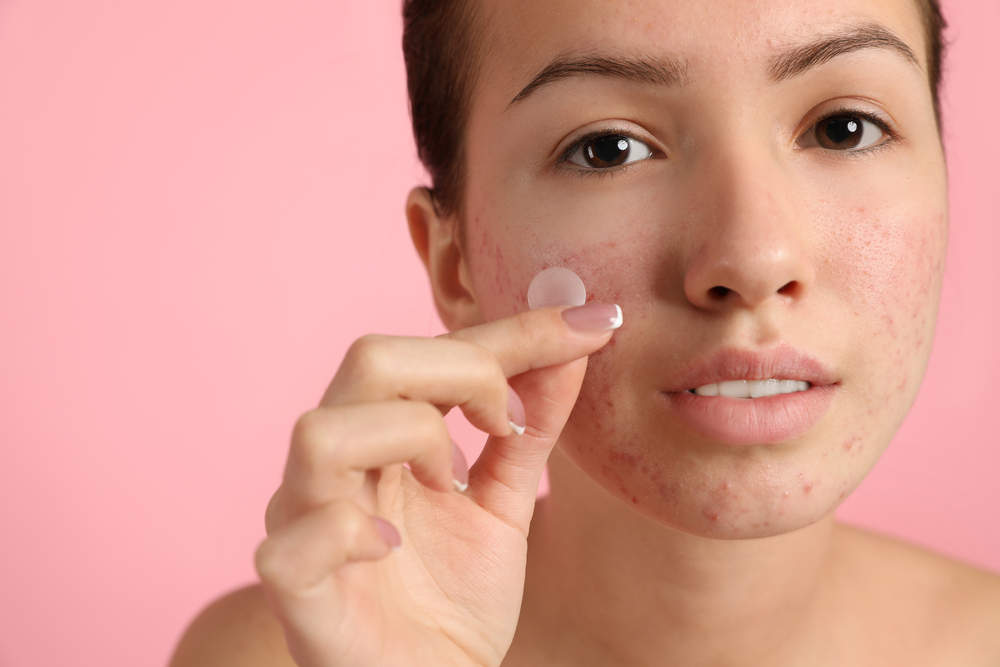
If you find yourself prone to popping pimples, you may find pimple patches helpful. These help both to treat the pimples themselves, as well as to deter you from picking at them. 

#3. Adjust Your Skincare Routine

You may switch to a gentler cleanser and over-the-counter acne products to alleviate active breakouts. Salicylic acid, benzoyl peroxide, glycolic acid, and tea tree oil can all help to remove dead skin cells and reduce inflammation.

Depending on the severity of your acne, your dermatologist may also prescribe acne treatments for you. For instance, if you have persistent acne that does not respond to over-the-counter treatment methods, your dermatologist may prescribe Accutane, retinoids, anti-androgens, and more.

If your acne is the result of hormonal imbalances, you can talk to your doctor about going on birth control. Birth control regulates your hormones, and many women have found that it has improved their acne.

#4. Limit High Glycemic Index Foods

Your glycemic index is a measure of how food spikes your blood sugar. High glycemic index foods, such as white bread, highly processed foods, and sugary drinks, can lead to increased inflammation – and ergo, worsened acne. 

types of acne Allen Taintor Dermatology

Around your time of the month, many people gravitate towards highly processed foods. In order to try to keep your acne in check, it’s best to limit your consumption of these foods and to steer more towards a healthier diet. 

Do You Struggle With Period Acne?

Allen-Taintor Dermatology is here to help! If you don’t know what is causing your acne or it isn’t responding to treatment, we can help you determine the underlying cause and suggest appropriate treatments. Contact us today to schedule an appointment. 

Filed Under: Acne

Have you ever heard that phrase: “You are what you eat”? What about: “True beauty comes from within”? The messages seem to be good, promoting healthy eating in order to be healthy and being a genuinely good person rather than performing acts to make you look good. But how relevant is what you eat to your skin? Does your diet truly impact your skin health? If you eat nothing but healthy things, is this an assurance of glass-like skin?

You might be surprised to learn the truth about diet and your skin health. Here’s what you need to know about how much of a role your diet actually plays in the health of your skin. 

diet impact your skin health

Can You Actually Eat Your Way To Healthy Skin?

Your diet can impact your skin health, but probably not as much as you would expect it to. People who eat well and still struggle with skin issues are very well aware of this. While some people may notice that their acne flares up when they eat chocolate, others can have all the chocolate they desire and maintain perfect skin. 

Dermatologists warn against overestimating the importance of your diet in regards to your skin. It is important to strive towards a healthy diet and drinking enough water for your overall health, and certain foods can trigger skin issues depending on the individual, but treating nutrition as a cure-all for skin problems is a dangerous road to tread down.

Your diet plays a role in your skin health, of course. But it’s just one factor to consider. Your genetics, your environment, your stress levels, your skincare routine, the products you use, and more all play significant roles in whether or not you have skin problems. 

One could eat terribly and enjoy perfect skin due to their genetics and environment, while someone else could diligently follow a skincare routine, be careful to eat well and drink enough water, and to monitor their stress, and yet still have skin problems. This can worsen mental health and self-esteem, as one is doing everything society tells them to in order to achieve perfect skin, but still struggles with skin problems. 

Certain foods are linked to a higher potential of skin problems. People who have followed diets and noticed better skin as a result could tell you this. It is important to work with a dermatologist and doctor in order to figure out whether or not certain foods are irritating your skin or not. If so, you can certainly eat your way to healthy skin. But to minimize the risk of a dangerously restrictive diet, it’s best to work with professionals in order to do this. 

Is There Such A Thing As ‘Good’ And ‘Bad’ Foods For Your Skin?

diet impact your skin health

All it takes is a quick Google search or a venture into the influencer side of social media, and you’ll see people categorizing foods into ‘good’ and ‘bad’. This isn’t just when people talk about how diets can influence their skin, but a widespread, general thing. 

This is quite dangerous, especially as the markers on what is ‘good’ and ‘bad’ move around a lot, depending on the diet one follows and their individual body. For instance, if you have nut allergy, you wouldn’t want to go anywhere near nuts. But for other people, nuts are an excellent source of protein and can provide some excellent skin-boosting nutrients. 

While one should strive to eat well and to consume heavily processed foods in moderation, there’s no such thing as ‘good’ and ‘bad’ food in and of itself- it’s just food. The key is to have everything in moderation. 

One cupcake won’t hurt you, but have a lot, and you’ll likely feel gross and sluggish and may notice acne breakouts. Moderation doesn’t just apply to foods typically thought of as ‘bad’, but also to ones categorized as ‘good’. For instance, you need to drink water in order to stay hydrated – but there is such a thing as having too much water and then needing to go to the hospital to treat potentially life-threatening hyponatremia. 

So, in short: yes and no. It depends on the individual. Dairy can trigger acne breakouts in some people, but have no effect on someone else. It’s important to pay attention to your skin and what it’s telling you. 

How Do You Figure Out If Your Diet Is Impacting Your Skin Health?

popping pimples is bad for your skin

Now, just because the effects of foods can be quite variable does not mean that your diet can’t impact your skin health. Processed foods can increase your insulin levels, which can worsen acne. Cutting out refined carbs can improve acne, though sticking to a low glycemic index diet is safer than keto. Sugar can increase inflammation, which can increase acne. Drinking more water can improve your skin’s hydration levels. 

In order to uncover whether or not your diet is playing a role in your skin issues, an elimination diet can help you find any foods that are triggering them. Keeping a food journal and keeping track of your skin can help you trace whether or not that acne cyst resulted from what you ate and whether your dry skin is just because your skin is naturally drier or whether you need more hydration. 

When doing this, it’s best to work with medical professionals. Placing too much emphasis on what you eat and obsessing over food can lead to the development of an eating disorder. 

If you have any concerns about your skin, it’s best to talk to a dermatologist. They will be able to tell you what you can do to improve your skin problems, as well as issue any necessary prescriptions. 

Allen-Taintor Dermatology is here to help you. If you need help with any skin issues and are curious about whether or not your skin problems stem from what you eat or something else, schedule an appointment. We will work to uncover the cause of your skin problems and help you improve your skin health. 

Filed Under: Acne, Skin Conditions

« Previous Page
Next Page »

Hours

Allen-Taintor Dermatology
3860 Jackson Ave #2
Ogden, UT 84403
801-627-0515
Monday 8:30 AM - 5:00 PM
Tuesday 8:30 AM - 5:00 PM
Wednesday 8:30 AM - 5:00 PM
Thursday 8:30 AM - 5:00 PM
Friday 9:30 AM - 2:00 PM
Saturday Closed
Sunday Closed

Directions

Contact Us

Follow Us

2022 Allen-Taintor Dermatology | Ogden Clinic | All Rights Reserved | Privacy Policy | Terms | XML Sitemap | Site by PDM