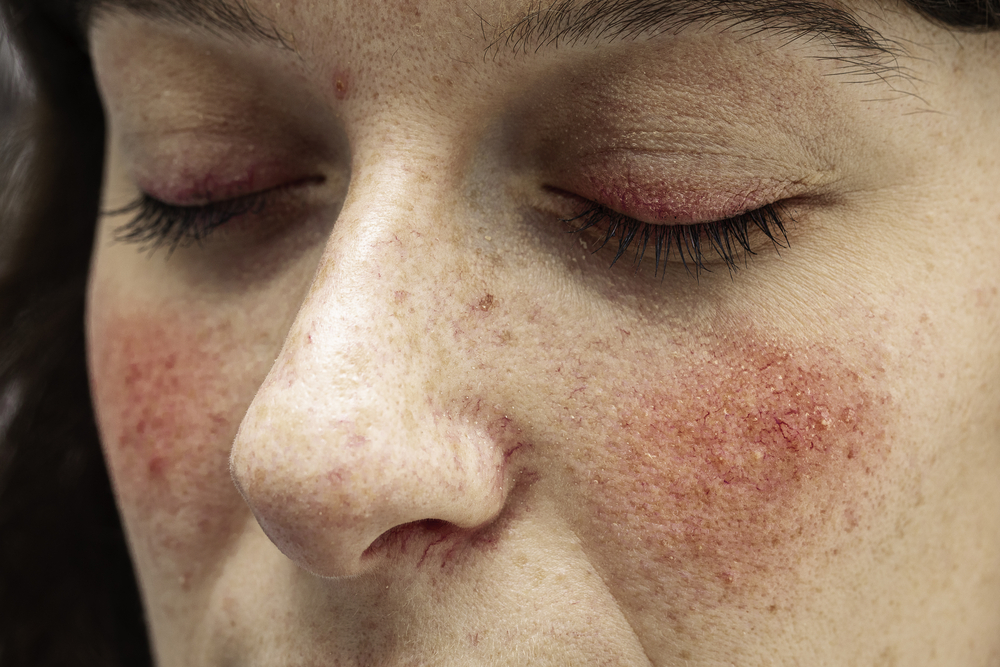
Call Allen-Taintor Dermatology - (801) 627-0515

(801) 627-0515

Patient Login
Pay Online
Allen-Taintor Dermatology | Ogden Clinic

Allen-Taintor Dermatology | Ogden Clinic

  • Home
  • Our Services
    • Skin Cancer
    • Skin Conditions
      • Acne Treatment
      • Eczema
      • Warts
      • Keratosis
      • Contact Dermatitis
      • Psoriasis
      • Other Skin Conditions
    • Cosmetics
  • About Us
    • Dr. David M. Allen
    • Dr. Adam R. Taintor
    • Our Staff
    • Patient Portal Information
    • Covid-19 Patient Information
    • Blog
  • Products
  • Specials
  • Contact
    • Pay Online

Does Having Freckles Increase Your Risk Of Skin Cancer?

Home / Archives for allentaintor

Skin cancer is the most common type of cancer in the United States. Most people know that moles can turn cancerous and that they need to keep a close eye on their moles, but what about freckles? Does having freckles increase your risk of skin cancer? Should you get your freckles checked out by a skin cancer doctor or dermatologist too? 

freckles

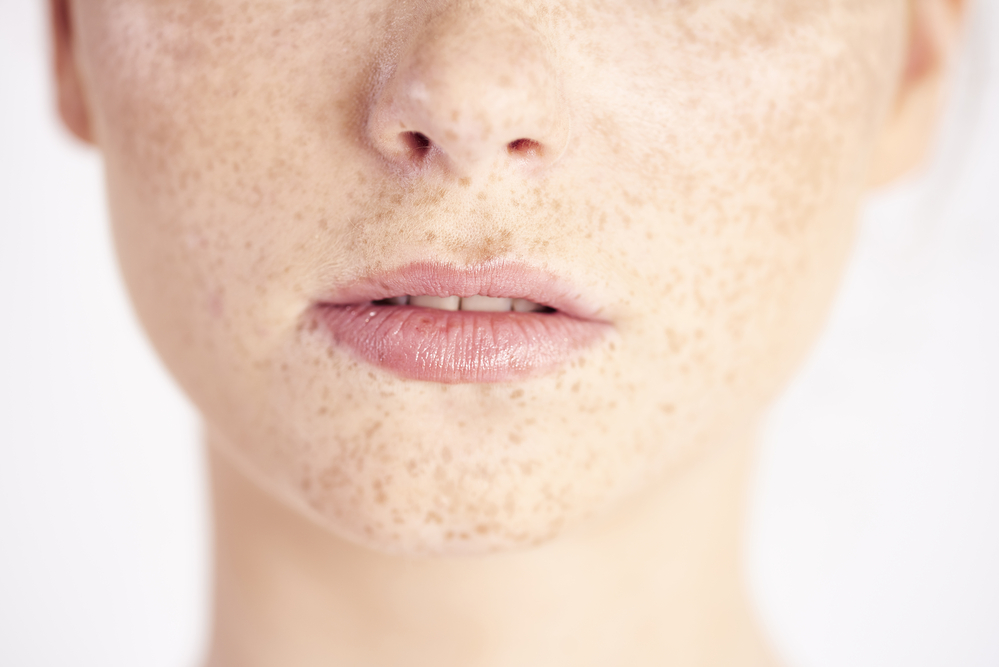
Freckles are very common. People all over the world of many different skin tones can get freckles. But we’re not born with them – they tend to make their first appearance after the first few years of life. Since freckles and moles can look quite similar, it makes sense that people worry about if having freckles increases your risk of skin cancer. The truth is that freckles themselves are almost always benign, but if you have freckles, you’re likely to be more sensitive to the sun and more susceptible to sun damage in general. 

Here is what you need to know about freckles, whether or not you should be concerned about them, and how to protect yourself from skin cancer. 

What Are Freckles?

Freckles are small spots on your skin that can be tan, reddish, brown, or dark brown in color. While they are most commonly seen on white people, especially those with red hair and blue eyes, people of all skin tones can get freckles. As they are darker than your skin, the darker your skin tone, the darker your freckles will be. 

Freckles are the result of the overproduction of melanin. They’re usually only a millimeter or two in size and typically appear in clusters. They usually first appear in childhood, and you can continue to get more and more into your 20s. As you age, your freckles can fade away. They can also fade in the winter if your freckles are a result of sun exposure. 
freckles

How Do You Get Freckles?

Freckles are genetic and can result from how much sun you’re exposed to. If you get freckles, this means that you have the MC1R gene, which influences your body’s production of melanin. If you are someone who burns in the sun rather than tans, you are more likely to get freckles, but this gene can be present in all races, from Black to white. 

Sun exposure can cause freckles, which is why many people who have them usually notice an increase in the number of their freckles during the summer. These can fade in the winter as sun exposure lessens. 

Are Freckles Dangerous?

Freckles are almost always harmless. You don’t need to worry about a freckle turning cancerous. While some people may wish to lighten their freckles, others love them, and people who do not naturally have them can use makeup products, henna, and tattoos to get that freckled look. 

Since freckles mostly develop as a result of sun exposure, this means that your skin is more sensitive to the sun. Freckles themselves aren’t dangerous, but they are a sign that you need to be more careful in the sun. Sun damage is one of the first steps to developing skin cancer, and having freckles means that you’re more likely to experience sun damage to your skin if you’re not careful. You should take extra care to wear sunscreen and mind the amount of time you spend in the sun. 

How To Differentiate Between Freckles And Moles
risk of skin cancer Allen Taintor Dermatology

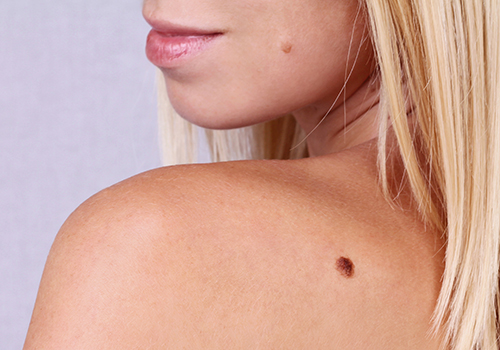
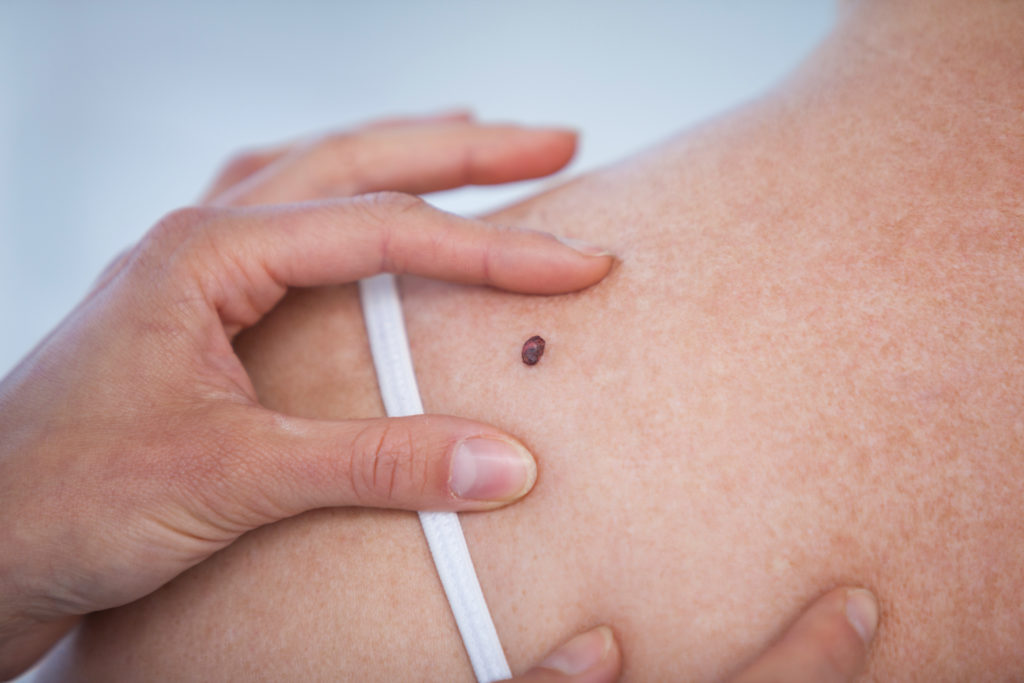
Sometimes the difference between freckles and moles is obvious. Freckles are usually flat and smooth, just dark flecks across your skin. Moles are usually raised, darker in color than freckles, and bigger too. Almost everyone gets a few freckles and/or moles throughout their life, but as they are both dark spots on your skin, sometimes, people can’t tell whether that new spot is a freckle or a mole.

You do need to monitor your moles, as moles can turn cancerous. You can tell freckles and moles apart by whether or not they are raised off your skin. Freckles usually appear on skin that gets exposed to sunlight while moles can appear anywhere on your body. While freckles usually appear in groups, moles are typically on their lonesomes. 

How To Protect Your Skin 

Freckles themselves don’t increase your risk of skin cancer, however, they do mean that you’re more sensitive to the sun. Sun damage can cause skin cancer, so if you have freckles, you do need to take extra care to protect your skin. 

Some of the ways you can protect your skin from the sun include:

  • Wearing sunscreen every day, regardless of whether or not the sun is shining or you are staying inside all day
  • Limiting your sun exposure
  • Staying in the shade, especially between the hours of 10 am and 4 pm, as this is when UV rays are strongest
Skin Cancer Signs Allen Taintor Dermatology Ogden UT

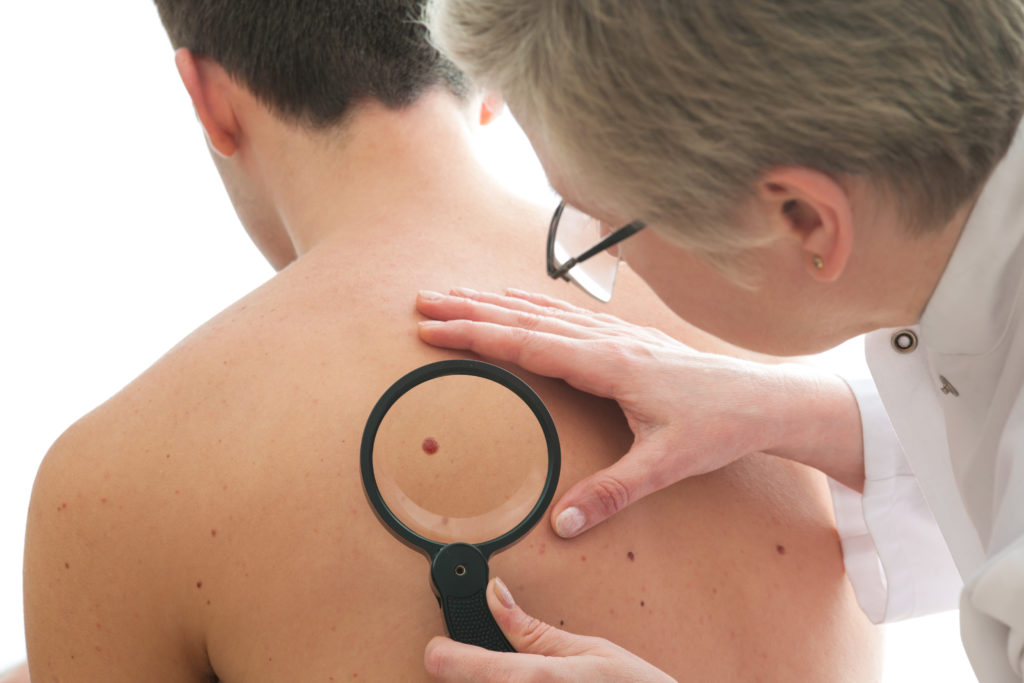
Freckles can be monitored the same way moles are. If they have jagged borders, become raised off your skin, start to grow, get sore, have multiple colors, or have a diameter of more than 6 millimeters, you should have them looked at by your doctor. 

Are You Worried About Your Risk Of Skin Cancer?

Allen-Taintor Dermatology can screen your skin and provide you with education on how to decrease your risk of skin cancer. To learn more about how to protect yourself, don’t hesitate to contact us and schedule an appointment today!
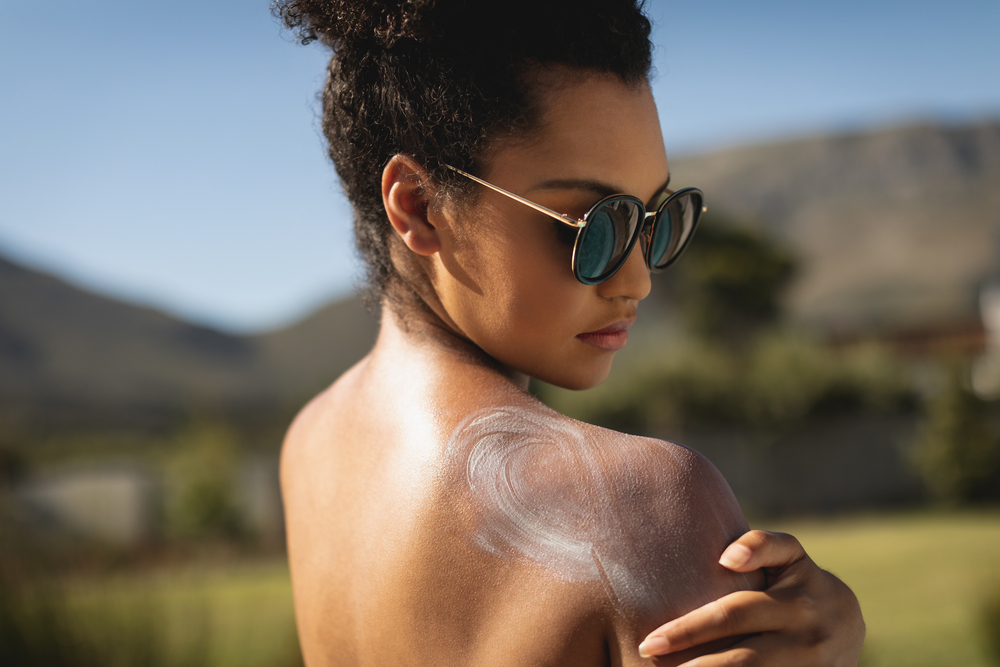
Filed Under: Skin Cancer

As summer encroaches upon us, sunscreens flood the store shelves. Many people know that you need sunscreen if you’re going to be spending a day at the beach or hiking in broad daylight, but many people don’t realize that you need to wear sunscreen every day. There are all sorts of myths about sunscreen that cause people to think they don’t need to wear it on the daily, such as if you have darker skin, you don’t need it, or if it’s cloudy or you’re going to spend the day inside, you don’t need it either. 

However, everyone, regardless of skin tone, needs to wear sunscreen every day. Yes, this is true even if it’s cloudy or you’re not going outside. Sun exposure can cause all sorts of problems from premature aging to sunburns to skin cancer. Sunscreen protects your skin and helps keep you healthy. Here are some of the key reasons why you need to wear sunscreen every day.

#1. It Reduces Your Risk Of Developing Skin Cancer

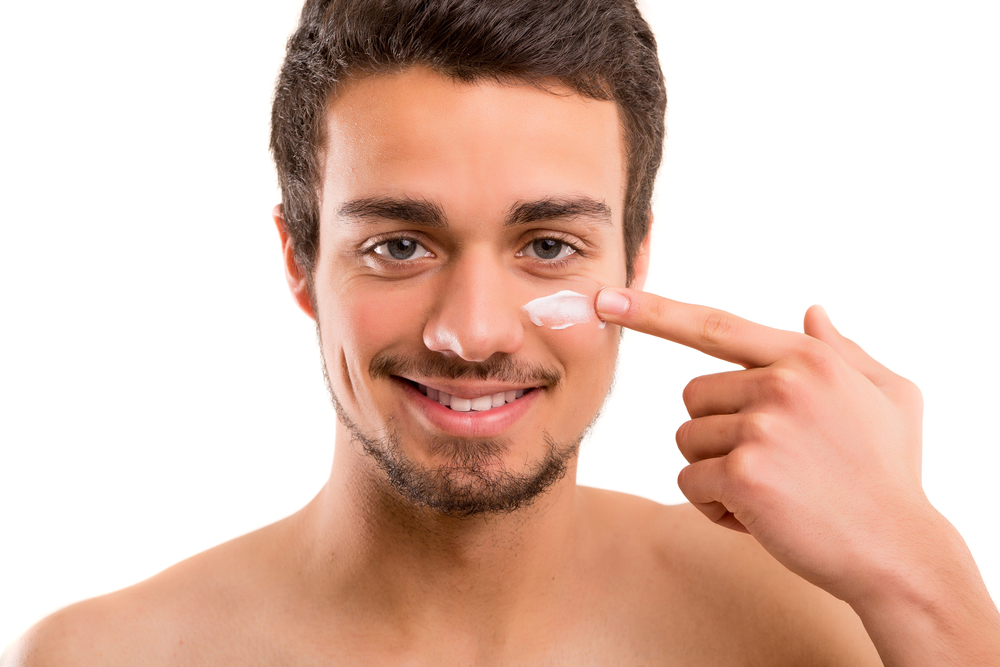
wear sunscreen every day

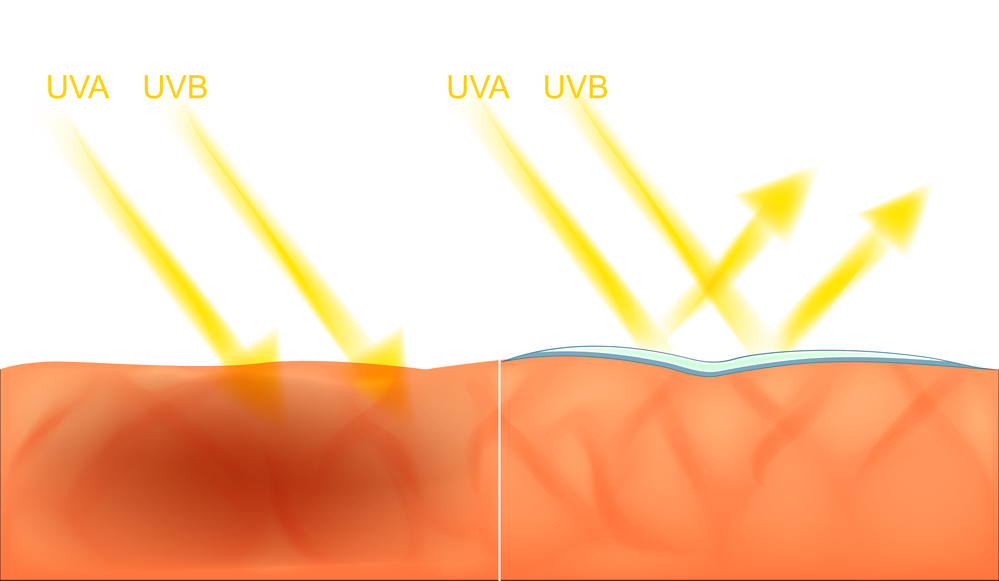
Skin cancer is the most common type of cancer in the United States, affecting approximately 1 in 5 people. If you wear sunscreen everyday, you can decrease your risk of developing skin cancer, since ultraviolet rays can cause skin cancer. While you can’t avoid UV rays, sunscreen offers protection that can block them. 

While skin cancer is more common in people with light skin, people who have darker skin tend to get more serious types of skin cancer. This is especially true since skin cancer tends to go undetected in people with darker skin tones until it is further along, and thus, harder to treat. Ergo, regardless of your skin tone, you should be wearing sunscreen every day in order to protect your skin from harmful UV rays and reduce your risk of developing skin cancer. Sunscreen can help to reduce your risk of melanoma by 50%. 

Since skin cancer is so common, it’s recommended that you get familiar with your skin so that you can detect any suspicious-looking moles or skin abnormalities early on. You can conduct a self-examination every month, and then if you do spot something suspicious, your dermatologist will be able to screen you and conduct a thorough examination. 

#2. It Helps To Prevent Premature Aging

wear sunscreen every day

There are countless different skin care products on the market that claim to help with aging skin, and yet, one of the best things you can do in order to prevent premature aging is to wear sunscreen every day. This is because sun exposure can result in damaged skin and break down the collagen and elastin in your skin which help your skin maintain its elasticity and lift. 

Sunscreen helps to protect your skin’s collagen and elastin levels, which helps you avoid over 80% of the signs of aging such as:

  • Wrinkles
  • Fine lines
  • Dryness
  • Sagginess
  • Roughness
  • Skin discoloration (such as sunspots, hyper pigmentation, and the like)

This is why you should wear sunscreen every day, even if it’s overcast or you’re going to be spending the day inside. UV rays can still penetrate through clouds and windows, which means that even if it’s cloudy and you’re in your room, you can still get sun damaged skin. Even if you don’t get sunburnt, your skin can still be damaged by the sun, so you should wear sunscreen every day.

#3. It Prevents Sunburn

wear sunscreen every day

Even on a cloudy day, you can still get sunburnt. If you’re going to be spending a lot of time out in the sun, your risk of getting a sunburn goes up even higher. Sunburns can be incredibly painful and result in lasting skin damage, such as premature aging, melanoma, discoloration, and more. Through ensuring that you wear sunscreen every day, you can protect yourself from getting sunburnt. 

It’s recommended that you apply sunscreen 30 minutes prior to sun exposure and that you reapply it every 2 hours, especially if you’re going to be out in the sun all day. If you’re spending time in the water, you want to reapply your sunscreen after getting out. While some sunscreens are water resistant for a certain amount of time, usually 40-80 minutes, a waterproof sunscreen has yet to be invented. Thus, in order to keep your skin protected, you need to reapply your sunscreen accordingly. 

#4. It Decreases Inflammation

Sun exposure doesn’t just put you at risk of sunburn, it can also cause inflammation, which can be especially challenging for people with skin conditions such as rosacea or psoriasis. If you wear sunscreen every day, you can decrease your risk of skin inflammation, especially if you use a sunscreen with gentle ingredients, such as titanium dioxide or zinc oxide. If you struggle to find a sunscreen that works with your skin, your dermatologist can help you. 

Skin Cancer Treatment Ogden UT Allen Taintor Dermatology

Keep Your Skin Healthy

Allen-Taintor Dermatology wants to help you ensure that your skin stays healthy. We can help with skin cancer screenings, as well as provide advice on the types of sunscreens you should use in order to keep your skin healthy and protected. To learn more about how sunscreen can help protect your skin or to schedule an appointment, please don’t hesitate to contact us today!

Filed Under: Dermatologist, Skin Cancer

Do you struggle with constantly looking and feeling like you’re blushing? Maybe you have some bumps on your face that acne treatments are doing nothing to help. Chances are, you have a skin condition that’s known as rosacea. This is a very common skin condition, but unfortunately, you can’t make rosacea go away. Fortunately, there are treatment options available that can help you manage flare-ups. Here’s what you need to know about rosacea and what can help you manage it. 

What Is Rosacea?

Allen Taintor Dermatology dealing with rosacea

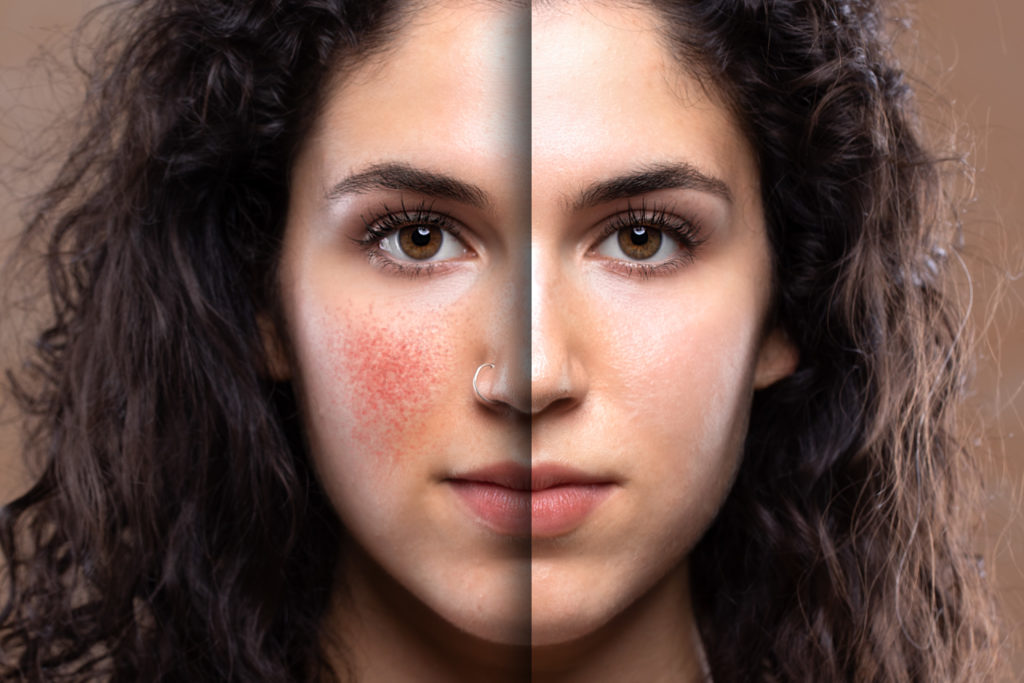
Rosacea is a type of skin condition that occurs on your face. It typically manifests as redness across the central part of your face and can also have small bumps that can be confused for acne. When people are diagnosed with rosacea, they want to know whether or not it can go away or whether it is permanent. There is no current cure for rosacea, which means it can’t just go away. However, rosacea is a treatable condition, and many people can keep it under control with proper treatment. 

Symptoms Of Rosacea

There are many common signs and symptoms of rosacea, including:

  • Persistent blushing/flushing in the central area of your face
  • Burning sensations
  • Swollen bumps that are often confused for acne pimples
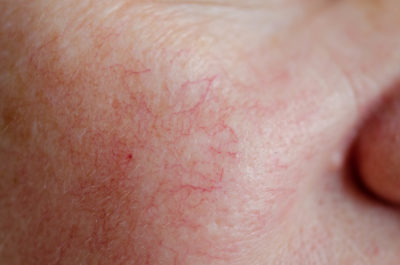
  • Visible veins
  • An enlarged nose, due to thickening of the skin
  • Eye problems, such as swelling, dryness, and irritation

Since rosacea can be a very obvious and hard to ignore skin condition, it can also cause other issues, such as with your self-esteem and overall mental health. Many people wish they could make rosacea go away so that they aren’t so red all the time and so that they can feel less self-conscious. 

If you are experiencing persistent symptoms of rosacea, it’s important that you see a doctor so that you can obtain treatment. 

does rosacea go away

What Causes Rosacea?

It’s not fully understood what causes rosacea just yet, which is why there’s no cure for it and you can’t just make it go away. However, there are some common triggers that can set off a flare-up and there are risk factors that increase your chances of having rosacea.

Common triggers of rosacea flare-ups include:

  • Heat
  • Sunlight
  • Stress
  • Harsh skin care products
  • Exercise/sweating
  • Wind
  • Cold
  • Alcohol
  • Spicy foods

Some factors that increase the likelihood of you getting rosacea include:

  • Genetics
  • Blood vessel issues
  • Smoking
  • Severe acne
  • Being someone who blushes easily
  • Having light skin, blonde hair, and blue eyes
  • Being a women
  • Being between the ages of 30 and 50

Women are more prone to getting rosacea, however, symptoms tend to be more severe in men.

does rosacea go away

Does Rosacea Go Away?

Unfortunately, rosacea won’t go away or get better on its own. It may appear to temporarily go away on its own, but then flare up again a few weeks or months later. It’s important to ensure that you obtain treatment for rosacea, so that the condition doesn’t become unbearable and doesn’t end up impacting your eyesight. As we do not yet understand what causes it, there’s no cure for it, which means that rosacea won’t go away. However, it can be managed with proper treatment and understanding of your triggers. 

Treatment Options For Rosacea

No, rosacea doesn’t go away, but it can be treated. Treatment for rosacea can help you have healthier-looking skin and learn what triggers the flare-ups, so that you can better manage the condition. It’s important to see a dermatologist in order to receive appropriate, effective treatment options for your rosacea. Many people confuse rosacea with adult acne and try to treat it themselves with over-the-counter acne treatments that just end up worsening the condition. A dermatologist will be able to ensure that you receive proper treatment. 

Some of the treatment options you can do at home for rosacea include:

  • Wearing sunscreen daily, all year round
  • Moisturizing daily
  • Being careful with your skincare products, avoiding irritants
  • Test products before using them on your skin
  • Being gentle with your skin

There are professional treatment options for rosacea. They can’t make it go away, but they’ll help manage it. These include:

  • Topical medications
  • Antibiotics
  • Laser therapy
  • Acne medications

You may not be able to make rosacea go away, as there’s no cure. But thankfully, there are many different treatments you can use to make it go away temporarily through helping you avoid flare-ups and treating said flare-ups. 

Allen Taintor Dermatology acne vs rosacea

Do You Need Treatment For Rosacea?

Allen-Taintor Dermatology provides treatment options for rosacea. If you’re struggling and wish you could make your rosacea go away, we can help you understand your triggers and what can help. We can’t make rosacea go away permanently, since there is no current cure for it, but we can treat it and help you avoid flare-ups. Contact us today to learn more about rosacea and the various treatment options available to you.

Filed Under: Skin Conditions

« Previous Page
Next Page »

Hours

Allen-Taintor Dermatology
3860 Jackson Ave #2
Ogden, UT 84403
801-627-0515
Monday 8:30 AM - 5:00 PM
Tuesday 8:30 AM - 5:00 PM
Wednesday 8:30 AM - 5:00 PM
Thursday 8:30 AM - 5:00 PM
Friday 9:30 AM - 2:00 PM
Saturday Closed
Sunday Closed

Directions

Contact Us

Follow Us

2022 Allen-Taintor Dermatology | Ogden Clinic | All Rights Reserved | Privacy Policy | Terms | XML Sitemap | Site by PDM