
Call Allen-Taintor Dermatology - (801) 627-0515

(801) 627-0515

Patient Login
Pay Online
Allen-Taintor Dermatology | Ogden Clinic

Allen-Taintor Dermatology | Ogden Clinic

  • Home
  • Our Services
    • Skin Cancer
    • Skin Conditions
      • Acne Treatment
      • Eczema
      • Warts
      • Keratosis
      • Contact Dermatitis
      • Psoriasis
      • Other Skin Conditions
    • Cosmetics
  • About Us
    • Dr. David M. Allen
    • Dr. Adam R. Taintor
    • Our Staff
    • Patient Portal Information
    • Covid-19 Patient Information
    • Blog
  • Products
  • Specials
  • Contact
    • Pay Online

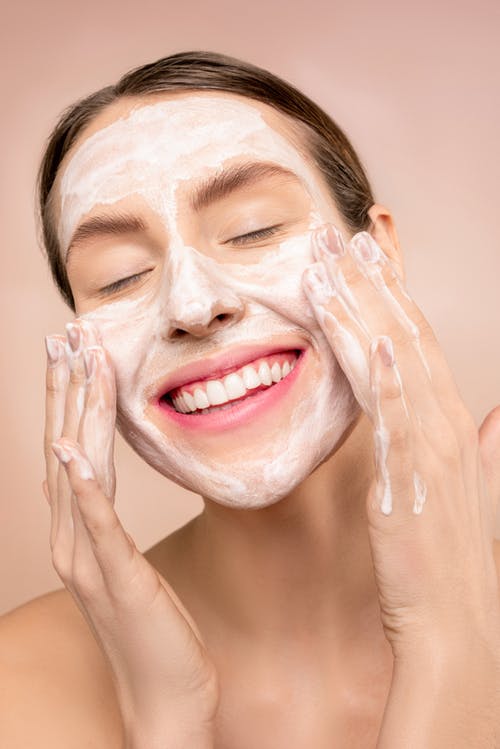
Should you Use Oil Cleanser or Soap on your Face?

Home / Archives for Dermatologist

Oil cleansing methods have become more popular recently for a reason. Many people are skeptical regarding the use of oil cleansers. It certainly seems counterproductive to use products with oil in order to remove excess oil from the surface of your skin. However, there are many different ways in which the products that you use impact the health of your skin, so it is crucial to understand these differences. Here are a few considerations that can help you to determine whether you should use oil cleanser or soap on the skin of your face.

What Impacts the Health of your Skin

The health of your skin is often linked to the overall pH balance of your skin. Your skin maintains a careful balance between its level of acidity and alkalinity. Whenever the pH level shifts away from its original natural balance, it is often capable of leading to substantial issues to both your skin and its health. You can often detect the existing pH level of your skin simply by examining the condition of the skin. There are also various pH tests that you can purchase from the store and perform in the comfort of your home.

How Products Impact pH Level of your Skin

Every product that is used on the skin will generally impact its pH level. Each product will have a different pH, as well as a different total effect. The pH level of any substance or surface is determined based on a scale that ranges from 0 to 14. 0 indicates the most acidic level possible, while 14 indicates the most alkaline level possible. 7 is neutral on this scale, which is the pH level of pure water. The skin is covered by a combination of substances. This combination is made up of natural oils, perspiration, and sebum. It serves to lock in moisture and protect the skin. Normal skin generally leans slightly toward the acidic side. This number most often falls between 5.4 and 5.9. When there are substantial variances in this pH balance, it often leads to severe issues with the health of the skin.

Skin that is Excessively Alkaline

When skin has a pH that is far too high, it indicates that it is excessively alkaline. This causes the skin to become extremely dry and sensitive. In addition, it often leads to signs of aging, such as the development of fine lines and wrinkles. This also tends to produce flaking skin, due to the excessive dryness. If you notice that your skin has these signs, it is likely that it is too alkaline. You should take whatever steps necessary to lower the pH level in order to restore a healthy balance.

Skin that is Too Acidic

Skin that has too low of a pH is likely leaning too far on the acidic side. This causes skin to become exceedingly oily and prone to the development of acne. When you take the steps to reduce the acidity level of your skin, you can minimize the likelihood of acne developing and help to restore a healthy balance to the pH level of your skin.

Soap

The vast majority of soap maintains a pH level between about 9 and 10. This high alkaline level allows for the skin to be thoroughly cleaned. However, it is particularly harsh on the skin. In addition, regular soap also tends to strip all of the natural oils from the surface of the skin. These oils are intended to provide a protective barrier to the skin, so stripping them away leaves the skin vulnerable to further damage. Stripping away the natural oils can also cause the skin to overproduce natural oils to replace the oils that were removed. This causes skin to become excessively oily and acne prone. It is crucial to avoid using products that will be too harsh on the skin or will throw its pH level too far out of balance.

Oil Cleansers

Oil cleansers tend to have a far lower pH than harsher soaps. This allows them to be far gentler on the skin, as well as prevents the stripping of essential natural oils. Many people are uncertain regarding the use of oil-based cleansers on the skin, because it seems like you shouldn’t use oil products to reduce oil levels on your skin. However, these cleansers are based on the idea that “oil absorbs oil” which can help to provide a thorough cleaning impact on the skin, without being incredibly harsh. Oil cleansers can be developed specifically for different skin types and various types of oil can be implemented to provide superior benefits for the overall health of the skin.

Other Ways to Protect your Skin

There are many other considerations, aside from the cleansing product that you use, that will help you to obtain oil cleanserhealthier skin. You should ensure that you eat a healthy and nutritious diet. Avoiding processed foods, as well as adding fruits and vegetables to your diet, can go a long way toward improving the appearance and health of your skin. It is important to stay hydrated and drink enough water to keep your skin hydrated and flush out potential toxins. Visit a dermatologist whenever you notice any substantial issues with the health of your skin. It can also be incredibly beneficial to implement a regular skincare routine to improve the health and the appearance of your skin.
Here at Allen-Taintor Dermatology, we are dedicated to providing you with superior services to ensure that your skin maintains a beautiful, healthy appearance. We carry a broad selection of skincare products to ensure that you are using the right product for your skin type. We also offer an array of services to help improve the overall condition of your skin. It is important to obtain the appropriate products to appropriately care for your skin and maintain a healthy pH balance. To learn more about the services that we offer, contact our expert team at Allen-Taintor Dermatology today!

Filed Under: Dermatologist

Skin tags are a common skin condition. Fortunately, these developments are generally benign and pose only aesthetic and cosmetic issues. However, you may still want to visit a skincare professional to deal with skin tags, as they are commonly confused with moles or other skin conditions. In addition, DIY skin tag removal techniques can lead to excessive bleeding, pain, and infection, so these services are often best left to a professional. If you have developed skin tags, you should consult with a professional to ensure that the skin tag is not an indication of a more serious condition.

What are Skin Tags?

Skin tags are essentially soft, fleshy growths. These growths hang from the skin. They are generally small and tend to be fewer than 2 centimeters in size. Skin tags are often referred to as acrochordons by dermatologists and other professionals. They are generally benign and simply provide cosmetic concerns. These tags are incredibly common underneath the arms, in the armpits, on the neck, near the eyelids, and on the torso. Skin tags are nothing to worry about, but it can be helpful to visit a skincare professional to have these tags removed. Depending on where they are located, skin tags may cause cosmetic concerns or make it difficult to shave effectively in specific areas.

Common Causes of Skin Tags

Skin tags can occur due to a variety of things. In some cases, skin tags develop simply as a result of genetics. In others, hormonal imbalances lead to the development of skin tags. Skin tags aren’t harmful in and of themselves, but they can indicate more serious problems. It is important to understand how these tags develop in order to prevent them and understand what they are indicative of.

Obesity

Obesity often leads to hormonal problems, especially pertaining to how the body produces collagen. This, in turn, can lead to issues with the skin, which may cause the development of skin tags.

Friction

Friction can cause the development of skin tags. This can occur when clothes that are too tight are worn frequently, or when areas of the skin rub together often.

Pregnancy

Pregnancy results in a multitude of hormonal changes. Not only are females more susceptible to skin tags in general, but they are especially vulnerable to skin tags during pregnancy.

Age

skin tagsAs individuals age, their bodies handle collagen production differently. These hormonal changes can cause skin tags to develop. The vast majority of older people develop skin tags at some point.

Diabetes

Skin tags have been linked to varying blood sugar levels. Due to this, it makes sense that skin tags often occur as a result of diabetes. If you are already aware that you have diabetes, it should be unsurprising when skin tags develop. However, if you aren’t aware of the development of diabetes, you should pay special attention to what your skin tags might mean.

Polycistic Ovarian Syndrome

This condition results in the development of multiple cysts on the surface of the ovaries. This results in both fertility and menstruation issues, along with the irregular production of estrogen. These variations commonly lead to the development of skin tags on the skin.

Treatments for Skin Tags

Understanding how skin tags are treated can help you to determine the best course of action to take when it comes to resolving the issue. It can be tempting to simply cut skin tags off, but this is never a good idea. Cutting your skin tags can result in excessive bleeding and can even lead to infection and scarring. The safest and most effective methods for removing skin tags are often done by skincare professionals.

Possible Biopsy

It is important to have skin tags examined by a skincare professional. This is necessary because it can be difficult to determine whether the condition is a skin tag or another related skin ailment. If it has been determined that the growth isn’t actually a skin tag, it may be necessary to have a biopsy done to ensure that the growth isn’t cancerous. Your medical professional will be able to determine whether or not a biopsy will be necessary.

Surgery

A skin tag may be removed with the use of a surgical procedure. During this procedure, your medical professional will likely remove the skin tag with the use of a scalpel. Never try to cut the skin tag off by yourself, as it can result in many issues if it is accomplished incorrectly.

Cryotherapy

Cryotherapy uses a liquid nitrogen compound that is applied to the affected area. Though this method is effective, it may take some time for the frozen skin tag to fall off on its own. It is vital to have a professional perform this to prevent damage from occurring to the surrounding healthy skin.

Cauterization

During cauterization, the skin tag is essentially burnt off. This method requires a special tool that is used to burn the skin tag. Similar to cryotherapy, it may take hours or even days for the skin tag to fall off completely.

Cut Off Blood Supply

Skin tags survive with their own blood supply. Cutting off this blood supply can cause the skin tag to die and fall off. Never attempt to do this yourself. If done incorrectly, this can lead to many different concerns, including excessive bleeding.

Laser Removal

Laser removal is another method that is often used to remove skin tags from the surface of the skin. These lasers are an effective method for safely removing these tags.

Skin tags are most often benign and won’t cause any harm. They can, however, result in significant cosmetic concerns. In addition, skin tags that rub against clothing or other areas may result in painful and sensitive areas. Here at Allen-Taintor Dermatology, we provide multiple services that are designed to keep your skin healthy and beautiful. If you have developed skin tags and would like to have them removed or are worried that they may be a condition other than skin tags, contact our experts at Allen-Taintor Dermatology today!


Filed Under: Dermatologist

            Eczema is a fairly common skin condition that affects many people. It is most commonly found in children under the age of 5. This can be extremely hard for parents and children alike, because it is often an itchy, painful condition. It is even common in infants, who don’t have the capability of communicating with you.

Symptoms of Eczema

            There are many symptoms of eczema. It is a rash that has specific characteristics. Eczema is not a contagious condition. It is characterized by itchiness, redness, and scaly patches of skin. Eczema usually leads to moisture loss, which can cause the skin to be excessively dry.

Common Triggers

            Avoiding triggers of eczema can help you prevent outbreaks. Dry skin can lead to eczema. Irritants, heat, sweat, and allergens are also common triggers of eczema. Eliminating or minimizing these triggers from your child’s life can help prevent eczema.

Treatments

            Avoiding triggers is one of the best ways to prevent eczema. Moisturizing your child’s skin frequently can also help prevent eczema. Your dermatologist may prescribe topical creams and, in severe cases, antibiotics to help treat eczema. Try to teach your child the importance of refraining from scratching when they have eczema. Breaking the skin can lead to infections and compound the condition.

            You don’t want to see your child suffering from eczema. If you are concerned about your child’s eczema, you should contact us at Allen-Taintor Dermatology today!

Filed Under: Dermatologist

« Previous Page
Next Page »

Hours

Allen-Taintor Dermatology
3860 Jackson Ave #2
Ogden, UT 84403
801-627-0515
Monday 8:30 AM - 5:00 PM
Tuesday 8:30 AM - 5:00 PM
Wednesday 8:30 AM - 5:00 PM
Thursday 8:30 AM - 5:00 PM
Friday 9:30 AM - 2:00 PM
Saturday Closed
Sunday Closed

Directions

Contact Us

Follow Us

2022 Allen-Taintor Dermatology | Ogden Clinic | All Rights Reserved | Privacy Policy | Terms | XML Sitemap | Site by PDM