
Call Allen-Taintor Dermatology - (801) 627-0515

(801) 627-0515

Patient Login
Pay Online
Allen-Taintor Dermatology | Ogden Clinic

Allen-Taintor Dermatology | Ogden Clinic

  • Home
  • Our Services
    • Skin Cancer
    • Skin Conditions
      • Acne Treatment
      • Eczema
      • Warts
      • Keratosis
      • Contact Dermatitis
      • Psoriasis
      • Other Skin Conditions
    • Cosmetics
  • About Us
    • Dr. David M. Allen
    • Dr. Adam R. Taintor
    • Our Staff
    • Patient Portal Information
    • Covid-19 Patient Information
    • Blog
  • Products
  • Specials
  • Contact
    • Pay Online

Why Popping Pimples Is Bad For Your Skin

Home / Archives for Acne

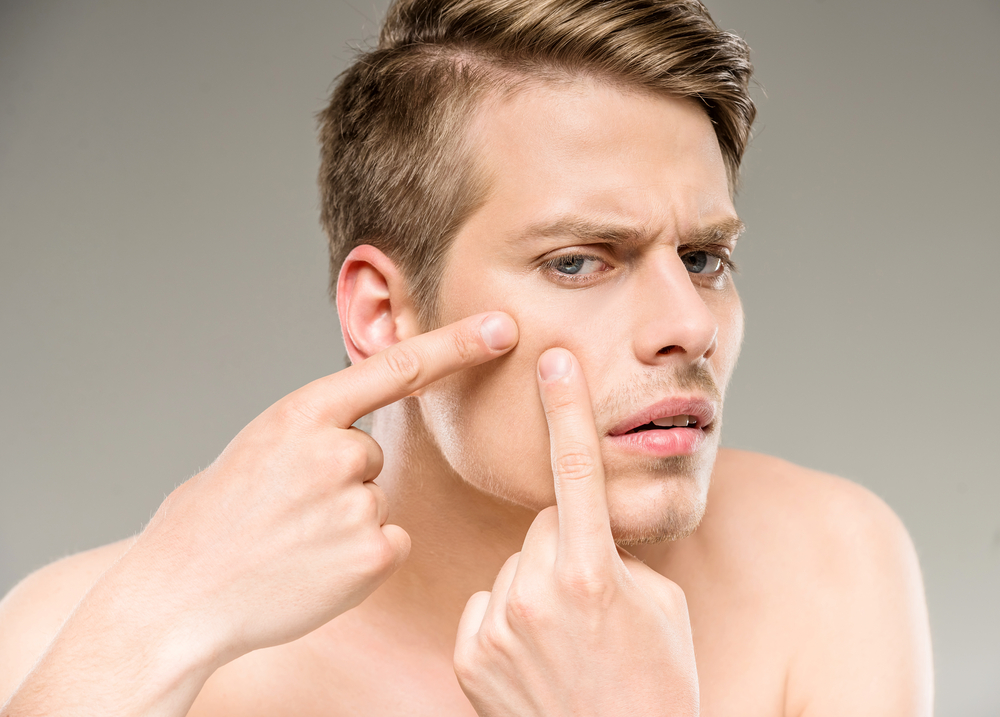
Pimples can appear at the most inconvenient times. The last thing you want is to wake up the morning of an important job interview or to be getting ready for a date only to find pimples staring right back at you in the mirror. Sure, everyone says that popping pimples is bad for your skin, but just this once can’t hurt, right? Besides, how is it that popping pimples is bad for your skin when doing so seems to instantly get rid of the pus? Doesn’t it seem like popping pimples is a good thing, the quick and easy way to get rid of those annoying blemishes?
popping pimples is bad for your skin

Unfortunate as it is, especially for those of you who enjoy popping pimples, yes, it really is bad for your skin, and yes, it really can hurt you in the long run. Here’s what you need to know about why popping pimples is bad for your skin and what you should do the next time an annoying intruder appears on your face.

Why Is Popping Pimples Bad For Your Skin?

Tempting as popping pimples can be, especially if you have a whitehead, doing so can actually cause more skin problems. We get it – popping pimples seems like it solves the problem instantly while if you waited for it to go away on its own, it would take anywhere from 3-7 entire days. However, rather than serving as a quick and easy solution to your pimple problem, you could end up increasing redness and infection and even causing scarring. 

This is because you’re interfering with your body’s natural healing process and can end up pushing the infection deeper into your skin and spreading bacteria. Pimples occur when excess oil, bacteria, and dead skin cells get trapped inside your pores. This causes them to swell. When you squeeze a pimple in order to pop it, you can end up forcing that excess oil, bacteria, and dead skin cells deeper into your follicle. If said follicle wall ruptures, then all of that infection ends up spilling into your skin, which can cause even more infection than there was before.
popping pimples is bad for your skin

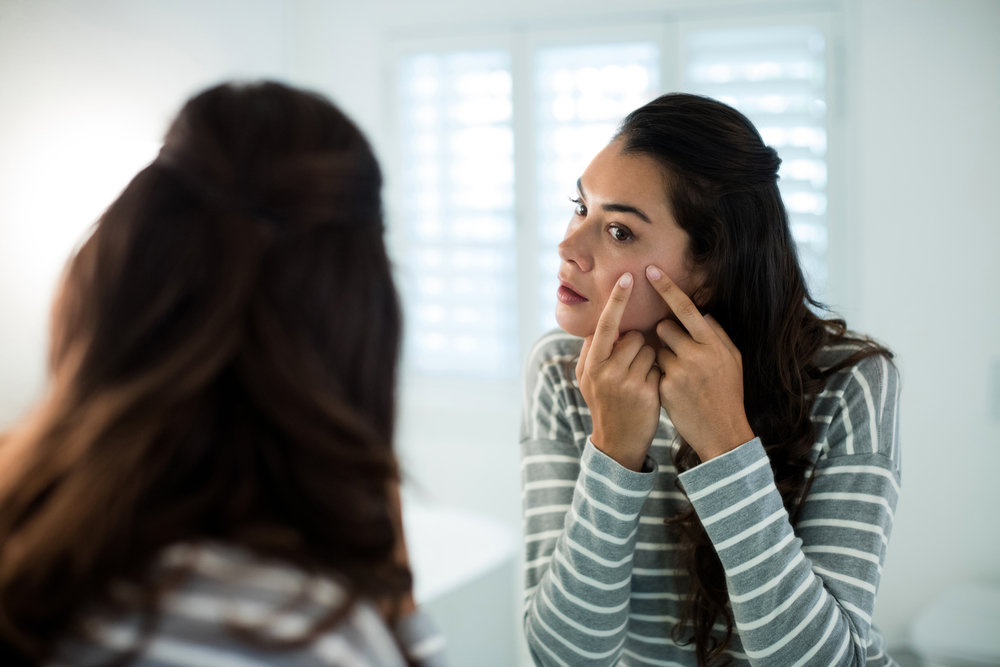
Have you ever popped a pimple and then noticed within a few hours that the spot where it was is redder and more inflamed than it was before? Perhaps you’ve noticed more pimples forming around the general area where the initial one that you popped was? This is because of the break in your skin’s structure and increased inflammation that resulted from the initial popping. 

Not only is popping pimples bad for your skin because it can cause further infection and lead to the formation of even more pimples, but it can also cause your skin to scar or develop dark marks. Every time you pop a pimple, you risk the chance of losing tissue and getting acne scars. 

So, in summary, popping pimples is bad for your skin because it can lead to:

  • Permanent acne scars
  • Skin discoloration
  • Worsened, more noticeable acne
  • More painful acne (especially if you tried to pop cystic acne – ouch!)
  • Infection

Is It Ever Safe To Pop A Pimple?

If you go to a dermatologist to have them professionally pop or inject your pimple in a sterile environment with professional tools, then yes – it can indeed be safe to pop a pimple. Dermatologists have the knowledge, experience, and equipment necessary to be able to pop a pimple or inject it so that it goes away without causing extensive damage to your skin.

For yourself, though? Popping a pimple every once in a while won’t kill you – everyone’s done it. However, no, it is never a good idea to try to pop a pimple yourself, as it can worsen the problem and lead to even more skin issues, such as the acne scarring we mentioned earlier. Hence all the warnings about why popping pimples is bad for your skin.

What To Do Instead Of Popping A Pimple
popping pimples is bad for your skin

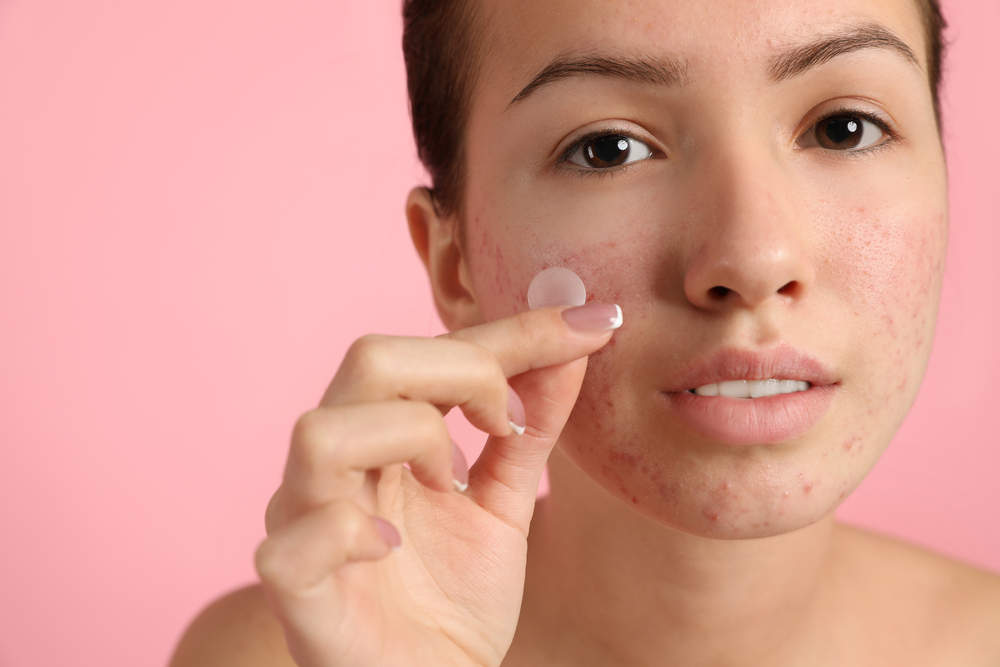
So, popping pimples is bad for your skin. But is there anything you can do yourself in order to diminish their appearance or make them go away faster? You’ll be relieved to hear that yes, there are in fact things you can do to calm pimples down. We know how aggravating it can be to wait out the 3-7 days it can take for pimples to go away on their own, however, a little patience pays off in the long run, because you don’t have to worry about all the ways in which popping pimples is bad for your skin – like even more pimples when you initially only had the one.

Instead of popping that pimple, we recommend:

  • Apply a warm or cold compress
  • Apply an acne spot treatment
  • Use non-comedogenic products in your skincare and makeup routine
  • Consult with your dermatologist

Allen-Taintor Dermatology is here to help with your acne. We understand that even though most people know that popping pimples is bad for your skin, it’s still so tempting. We offer professional acne treatments that can get your acne under control. Whether you have pimples that won’t go away, acne scarring, or just want help getting your acne under control and to know what you should do if you get pimples, we’re here to help. Contact us today to learn more about our acne treatments.

Filed Under: Acne, Dermatologist

People are often confused between acne and rosacea. These are commonly mistaken for the other, which can make it difficult to obtain the appropriate treatment. It can be even more confusing because rosacea is often referred to as adult acne, even though it is not acne. Here are some things that you need to know about acne vs rosacea in order to provide the best treatment for your skin conditions.

Rosacea

Rosacea is a disorder of the pores, which is very similar to the formation of acne. However, it is not caused by the same factors that cause acne to develop. Rosacea tends to develop due to external factors, while acne is more commonly caused by internal factors. This skin disorder tends to be a lifelong condition. While it doesn’t necessarily have a cure, the symptoms of rosacea can be controlled.

Acne

Acne is an extremely common skin condition. Most people will develop acne at some point throughout their life. While rosacea tends to be more common with fair skin, acne occurs more often with excessively oily skin. There are many potential treatments with acne to help clear it up.

When Each Disorder Forms

acne vs rosaceaThe age at which each skin condition forms is different depending on the skin condition. Acne tends to be much more common in the teenage years. Rosacea, however, is most common when individuals reach the age of 30. Pay attention to when the skin condition forms to help differentiate between acne and rosacea.

Rosacea Appearance

The appearance of rosacea and acne are very similar. However, there are some differences that can help you to determine whether you have rosacea or acne. Rosacea often appears as redness or flushing of the face, very similar to blushing. Unlike acne, it does not feature blackheads or comedones. These comedones are one of the best ways to determine the presence of acne as compared to rosacea. Rosacea is often confused with the presence of a sunburn, though it also results in inflamed bumps on the skin. This is compounded by the fact that heat and sunlight are common triggers of rosacea.

Acne Appearance

Acne maintains a somewhat different appearance than rosacea. Both rosacea and acne have red bumps. However, comedones are specific to acne. Comedones are classified as pores that are visibly clogged but aren’t inflamed. An open comedone is essentially a blackhead. It manifests as a circle of black in the pore. Alternatively, a closed comedone is white in the very center and has a thin layer of skin over the top. The presence of comedones will help you to identify the difference between acne and rosacea.

Rosacea Causes

Experts have not determined a specific cause of rosacea. However, the prevalent theory is that rosacea occurs due to particularly sensitive blood vessels. These blood vessels dilate too easily, which results in the appearance of rosacea. It seems to be a genetic trait that can be passed on to others in the family through genetics. Rosacea outbreaks tend to occur as a response to external influences, so avoiding triggers often prevents these outbreaks. It is more common in women than men, though men tend to have more severe cases of rosacea.

Acne Causes

Acne is caused by more internal influences than rosacea. This is most commonly due to hormone fluctuations in various situations. Due to these hormone fluctuations, it is most common in teenagers. Skin that produces excessive amounts of oil is more likely to clog pores and result in the formation of acne.

Rosacea Triggers

There is no specific cure for rosacea, so avoiding the triggers tends to be the most beneficial approach. Outbreaks tend to occur due to exposure to external triggers. Common triggers include sunlight and excessive amounts of heat. Spicy foods and hot beverages are additional triggers. These triggers are common, because excessive heat tends to cause the blood vessels to expand to release heat. Other triggers or rosacea include alcohol, strong emotions, stress, and the use of particularly harsh skin-care products.

Acne Triggers

Acne is triggered by oily skin or other pollutants that clog the pores. It also results due to hormonal fluctuations. An awareness of common time periods with hormonal fluctuations can help you to provide appropriate care for your skin. Acne is extremely common during menstruation, pregnancy, puberty, and menopause.

Signs of Rosacea

Understanding the signs of rosacea will help you to differentiate it from acne. Bumps and pimples are common signs for each skin condition. However, the rosacea bumps tend to be particularly small. Skin warmness and thickening are additional signs of rosacea. Rosacea can also cause itchiness, eye irritation, or facial redness.

Signs of Acne

As previously stated, bumps and pimples are a sign of acne. However, unlike rosacea, acne often results in whiteheads and blackheads. It can form hard lumps. Redness and pain around the acne is an indication that you have acne, not rosacea. Swelling is another common sign of acne.

Acne vs Rosacea Location

One of the major differences with acne vs rosacea is the location in which the skin disorder occurs. Acne can occur in many more locations than rosacea. It can be present anywhere on the chest, face, shoulders, back, or buttocks. Rosacea, however, is generally confined to the center of the face. It occurs commonly on the cheeks, forehead, nose, and even eyelids.

Treatments

The common treatments are similar for both acne and rosacea. Antibiotics are commonly used to treat rosacea and acne. It is often extremely beneficial to visit a dermatologist when you are having an issue with either of these skin disorders. They will be able to help you identify the best treatment for your situation. Keep in mind that the use of harsh acne products can exacerbate rosacea symptoms.

It is important to understand the difference between rosacea and acne in order to help you determine the best treatment for your skin. At Allen-Taintor Dermatology, we offer many services to help you, whether you have rosacea or acne. To learn more about how to differentiate between rosacea and acne, contact our expert team at Allen-Taintor Dermatology today!

Filed Under: Acne

Most people don’t spend too much time worrying about acne beyond their adolescent years. However, acne isn’t only a problem for teenagers. It is incredibly common in pregnant women and can be caused by a multitude of other things. Learning how to deal with acne caused by pregnancy early on can help to prevent it from occurring in the first place, as well as ensure that you are prepared to handle it after it has occurred. If you are concerned with the appearance of acne during pregnancy, you should visit our office for superior, effective acne treatment.

What is Pregnancy Acne?

Acne occurs during pregnancy for a variety of reasons. It is primarily caused by hormonal fluctuations. The body produces more androgens during pregnancy, which often results in the glands of the skin producing more sebum than they otherwise would. This is a waxy, oily substance that often clogs pores and leads to bacteria, inflammation, and breakouts. It often occurs in the 1st trimester and tends to get better as the due date draws near. Additionally, women who experience acne during their periods are more susceptible to acne during their pregnancy.pregnancy and acne

Natural Remedies

It is important to take care with your skincare products while pregnant. Most experts recommend that you avoid products that contain salicylic acid or benzoyl peroxide, because these substances have been shown to be dangerous for babies. Unfortunately, a large number of skincare products contain these substances. Natural remedies can help to prevent these side effects from hurting your child. Keep in mind that you should consult with a medical professional prior to using any new product to ensure that it is safe for the baby and won’t result in any additional problems.

Apple Cider Vinegar

Create a mixture of both apple cider vinegar and water. This will help to create a toner that contains enzymes and alpha hydroxyl acids. These can be especially beneficial for the skin, but take care not to use it too frequently, as it can dry out the skin. Never use undiluted apple cider vinegar, as it can cause painful burns and damage to the skin.

Citrus Fruit

Similar to apple cider vinegar, the juice from citrus fruits like limes or lemons contains alpha hydroxyl acid. This can both help to unclog pores, as well as shed dead skin cells. Citrus fruit juice makes an excellent exfoliator, but be careful not to use it too often. Exfoliating your skin too frequently often causes drying out and accelerated problems. This remedy can go a long way toward enhancing the overall condition of your skin.

Baking Soda

Baking soda is best used as a spot treatment, rather than a full mask. It can excessively dry out the skin, which can be detrimental and damaging to the skin. However, it can be used on specific spots that are harboring breakouts. Baking soda helps to dry oil from the surface of the skin, as well as accelerates healing. The use of baking soda can go a long way toward minimizing the appearance of acne during pregnancy, but it should be used sparingly to prevent excessively dry and sensitive skin.

Coconut Oil

Coconut oil contains many beneficial aspects that can be used for multiple areas. Many people use coconut oil to repair damage to hair follicles, while others use it to moisturize the skin. Coconut oil contains both antibacterial and antifungal properties. This can help to clear harmful bacteria from the surface of the skin, while simultaneously adding moisture to the skin. Additionally, coconut oil can be used to prevent fungi from growing on the skin, which can prevent issues like Athlete’s Foot.

Honey

Honey is often used to soothe sore throats and provide multiple other benefits to general health. It contains both antiseptic and antibacterial properties. This ensures that it can thoroughly clean the area of bacteria that can exacerbate the problem, soothe any irritation on the surface of the skin, and minimize the presence of acne on the skin. The soothing properties of honey can help you to remain much more comfortable throughout various acne remedies to enhance the overall appearance of the skin.

Other Treatments for Acne While Pregnant

Following the appropriate steps can go a long way toward preventing acne from occurring in the first place. Follow a healthy diet and ensure that you eat plenty of fresh vegetables and fruits. Drink plenty of water. Water will be able to keep your skin moisturized, as well as flush out toxins that could potentially cause breakouts. Ensure that you get the appropriate amount of rest to provide benefits to both your health and your skin. Practice good hygiene. Wash your hair regularly and keep it away from your face to prevent any transference of oil. Wash your face, but be careful not to wash it too much. Over-washing can remove the natural layer of moisture from the skin.

Wash your makeup off before going to bed and avoid touching your face. This will minimize the amount of oil that transfers from your hands onto your face. You also need to avoid touching, prodding, or otherwise messing with acne sores on the face. Popping or irritating acne can lead to scarring and simply exacerbate the existing problem. Change your pillowcases regularly and take the steps to protect your skin, by using moisturizer and sunscreen regularly, even during the winter months.

Contact Us

It can be incredibly beneficial to visit a dermatologist when you are experiencing an increase of acne due to pregnancy. An experienced professional will be able to provide you with superior advice and guidance regarding products that are safe to use during pregnancy. Here at Allen-Taintor Dermatology, we provide many services to enhance the overall condition of your skin. These services can go a long way toward enhancing both the health and the appearance of your skin. To learn more about dealing with acne during pregnancy, or preventing it from becoming an issue in the first place, contact our experts at Allen-Taintor Dermatology today!

Filed Under: Acne

« Previous Page
Next Page »

Hours

Allen-Taintor Dermatology
3860 Jackson Ave #2
Ogden, UT 84403
801-627-0515
Monday 8:30 AM - 5:00 PM
Tuesday 8:30 AM - 5:00 PM
Wednesday 8:30 AM - 5:00 PM
Thursday 8:30 AM - 5:00 PM
Friday 9:30 AM - 2:00 PM
Saturday Closed
Sunday Closed

Directions

Contact Us

Follow Us

2022 Allen-Taintor Dermatology | Ogden Clinic | All Rights Reserved | Privacy Policy | Terms | XML Sitemap | Site by PDM