
Call Allen-Taintor Dermatology - (801) 627-0515

(801) 627-0515

Patient Login
Pay Online
Allen-Taintor Dermatology | Ogden Clinic

Allen-Taintor Dermatology | Ogden Clinic

  • Home
  • Our Services
    • Skin Cancer
    • Skin Conditions
      • Acne Treatment
      • Eczema
      • Warts
      • Keratosis
      • Contact Dermatitis
      • Psoriasis
      • Other Skin Conditions
    • Cosmetics
  • About Us
    • Dr. David M. Allen
    • Dr. Adam R. Taintor
    • Our Staff
    • Patient Portal Information
    • Covid-19 Patient Information
    • Blog
  • Products
  • Specials
  • Contact
    • Pay Online

Steps for Reducing your Risk of Skin Cancer

Home / Archives for allentaintor

Though we have previously discussed the importance of detecting skin cancer early on, as well as the importance of taking steps to protect yourself, it is critical to understand the various ways to reduce your risk of skin cancer. At Allen-Taintor Dermatology, we are passionate about protecting your health. If you are worried about the risk of skin cancer, you should consult with our experienced team for more information and to schedule an exam with us. There are many various skin conditions and skin cancer is one of the most devastating ones out there. Reducing the risk of skin cancer is extremely important.

Visit a Dermatologist
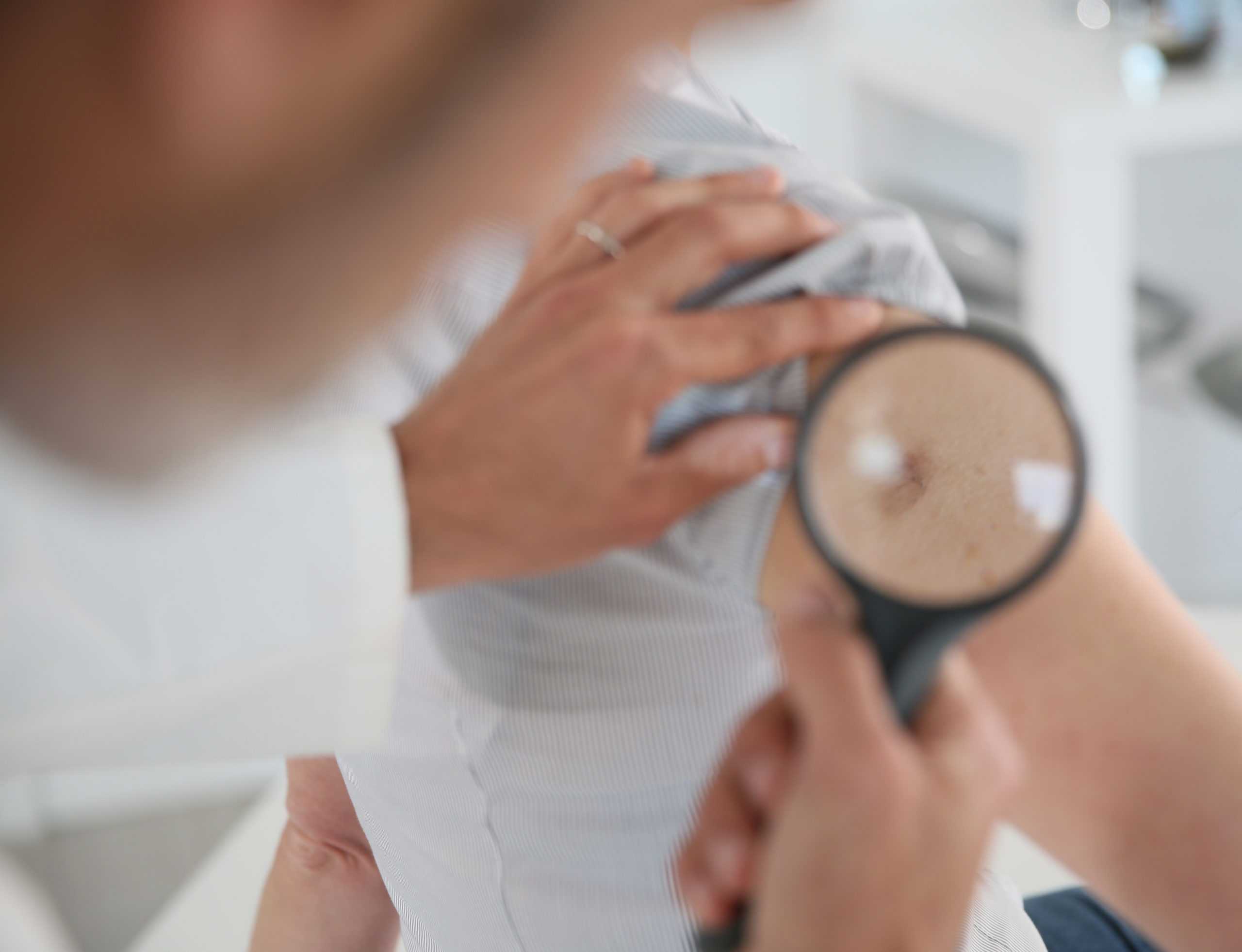
risk of skin cancerIt is important to ensure that you see our professional team on an annual basis. This will help to ensure that a professional skin exam can be completed in order to help you to catch signs early on. By visiting a dermatologist, you can ensure that a thorough skin exam is completed. Schedule an exam with us at least once a year in order to protect yourself and your health.

Wear Sunglasses

While many people understand the impact that the sun can have on the skin, fewer are aware that it can also impact the health of your eyes. Wearing sunglasses is incredibly important when you are outside. This can help to prevent UV rays from burning your eyes, which can lead to both discomfort and substantial health issues. Ensure that you wear sunglasses that are designed specifically to block UV rays. It is also important to ensure that your sunglasses are functional and capable of enhancing your comfort. This can also be particularly beneficial when you are driving, as the sun can lead to hazardous driving conditions.

Seek Shade

Whenever possible, you should try to spend time in the shade while you are outside. This can help to reduce your risk of skin cancer, by reducing the amount of UV rays that will come into contact with your skin. This is especially important between the hours of 10a.m. and 4 p.m. During this time frame is generally when the rays from the sun are the strongest. Staying in the shade can substantially help to protect your skin. If you are worried that the shade will be rather sparse, you can bring an umbrella or other fixture to provide shade.

Wear Sunscreen

Sunscreen is an incredibly important component of reducing your risk of skin cancer. It is important to wear sunscreen whenever you intend to spend time out in the sun. In general, you will want to ensure that you put sunscreen on approximately 30 minutes before you will actually be exposed from the sun. This ensures that the sunscreen will be as effective as possible. It is also important to make sure that you reapply the sunscreen on a regular basis. Sunscreen won’t last indefinitely and ensuring that you reapply it on a consistent basis will help to ensure the best possible protection for your skin.

Sun-Protective Clothing

It can be beneficial to ensure that you use clothing that will provide adequate protection for your skin. Though it can be tempting to wear minimal clothing in warmer temperatures, you will want to ensure that you wear clothing that will cover as much of your skin as possible. For example, long sleeves can help to reduce the amount of skin that is exposed to the UV rays from the sun. The right clothing can go a long way toward reducing your risk of skin cancer and preventing damage to your skin. Ensure that exposed areas of your skin are covered thoroughly with sunscreen.

Be Careful in Certain Areas

It can be easy to overlook the importance of sunscreen during the winter. However, there are certain times in which you have to be especially cautious regarding the health of your skin. When you are standing somewhere near water, sand, or snow, you need to ensure that you have your skin appropriately protected. UV rays can reflect off of these surfaces, which can amplify the amount of damage that occurs to your skin. By protecting your skin around these fixtures, you can provide the best possible protection for your skin.

Avoid Tanning Beds

It is similarly important to avoid the use of tanning beds. Even if the tanning methods are artificially created, they can still cause damage to the health of your skin. By avoiding tanning beds, you will be able to reduce damage to your skin. If you prefer the appearance of a tan, there are always self-tanning lotions that can be implemented to provide the appearance of the tan, without causing damage to your skin. Tanning beds are highly capable of causing damage to your skin and increasing your risk of skin cancer.

Wear a Hat

Hats can be an additional method for providing extra coverage for your skin. Choose hats that have a wide brim that will help to shade your face from the sun. This can go a long way toward preventing damage that may otherwise occur to your skin.

Examine your Skin Regularly

It is important to hold regular skin exams to detect the presence of skin cancer in the early stages. Skin cancer is often much more treatable early on than when it is allowed to progress. Learn how to screen your skin and ensure that you do so regularly. Remember your ABCDEs so that you can detect potentially malevolent moles early on. This is extremely important in protecting your health and ensuring that you can detect the presence of skin cancer in the early stages.

Taking the steps to reduce your risk of skin cancer is extremely important in protecting your health. At Allen-Taintor Dermatology, our team is dedicated to providing you with the services to reduce your risk of skin cancer and improve the overall health of your skin. To learn more about our services or the steps you can take to reduce the risk of skin cancer, contact our team at Allen-Taintor Dermatology today!

Filed Under: Skin Cancer


When you screen your skin on a regular basis, you will likely be able to detect abnormalities and other issues in the early stages. This often helps to provide the best possible chances of treatment when skin cancer arises. It is important to regularly screen your skin, as well as obtain examinations from your dermatologist. This can go a long way toward protecting your health and preventing substantial issues from impacting your life.

The Importance of Regular Skin Screenings

Regular skin screening help to catch skin cancer in the early stages. The sooner you are able to find the signs of skin cancer, the more treatable the cancer will likely be. This helps to provide the best possible outcome for you. Checking your skin on a monthly basis could potentially save your life, so it is important to ensure that you do so. This step will also help you to familiarize yourself with your skin, so that you will be able to notice when changes appear.

How to Screen your Skin

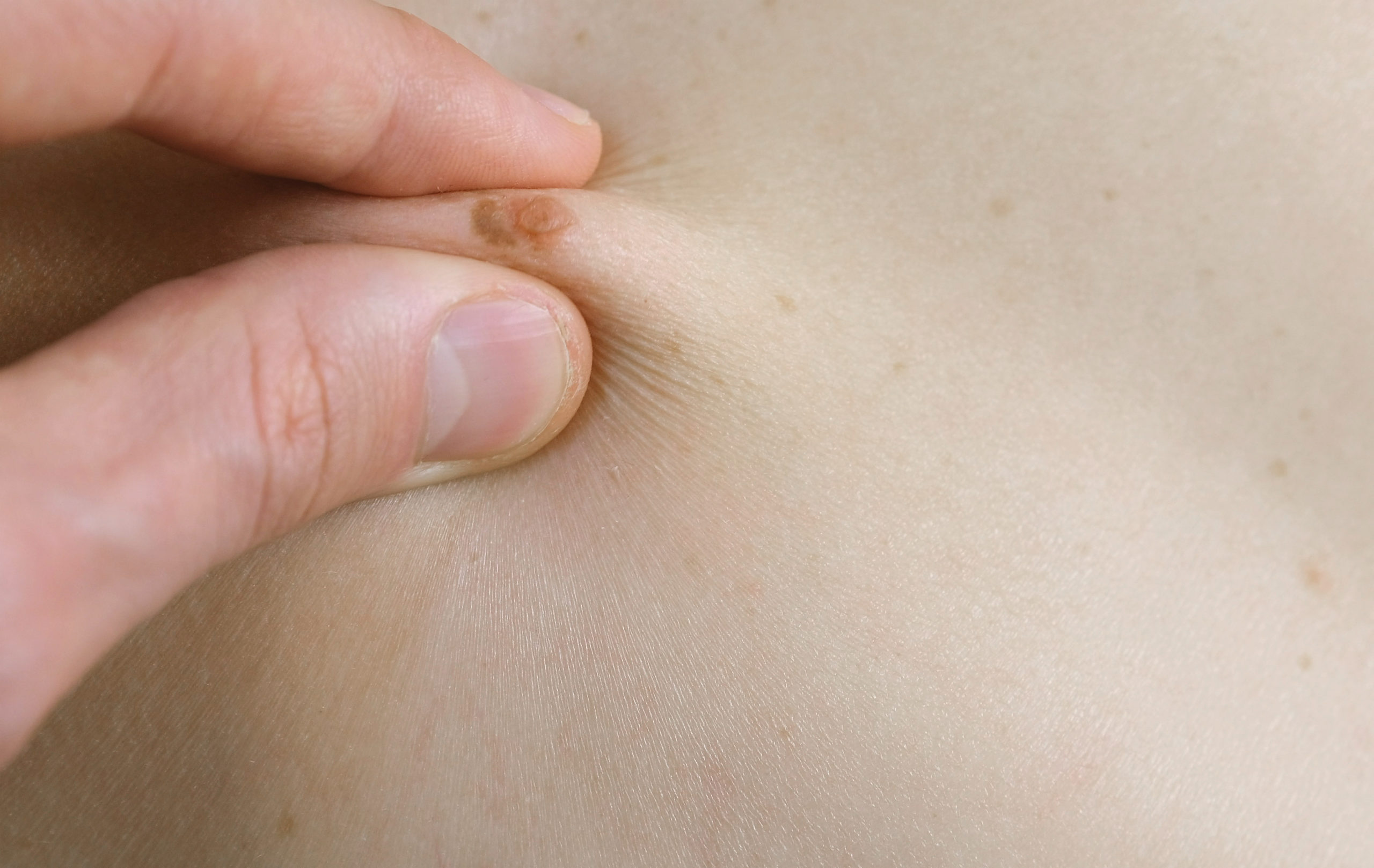
screen your skinWhen you screen your skin, it is important to ensure that you have good lighting. The better the lighting is, the more likely you will be able to find differences in your skin. Without the appropriate lighting, important changes may be undetectable. You will also likely want to use a full-length mirror. For more difficult to see areas, you may need an additional handheld mirror or to obtain assistance from a family member or close friend. You will need to completely undress in order to examine every area of your skin. It is important to check the various areas of your body in order to find changes to your skin in the early stages.

Important Areas to Check

It can be easy to miss places when you attempt to screen your skin. It is crucial to keep in mind that cancerous growths aren’t only in places that are regularly exposed to the sun. You need to check every place of your body, not just the places that aren’t regularly covered by clothing. You will have to examine the face and the scalp for abnormalities. When checking your arms, it will be important to ensure you check both the front and back. This includes the armpits, as well. The hands should be checked thoroughly, both the front and back, in between the fingers, and underneath the fingernails. Check your legs, between your toes, and on the soles of your feet. These tend to be the most common areas where growths appear, so ensure that you check each of them thoroughly.

What to Look For

Understanding the signs to look for will go a long way toward ensuring that you catch them in the early stages. You will need to familiarize yourself with your skin so that you are aware when changes occur. Pay particular attention to new moles, especially if they have appeared after the age of 25. You will also need to search for moles that have increased in size or had a change to their outline, resulting in an uneven border. Spots that change from brown or black are important to take note of. It is also important to be aware of a spot that has become raised or has developed a lump within it. Any spot that looks different from other spots will need to be seen by your dermatologist.

Ensure that you carefully examine moles on your body. When the surface of a mole becomes rough, ulcerated, or scaly, you should have it examined by a professional. Also pay attention to how the mole feels. If it itches, tingles, bleeds, or weeps, it is highly likely that there is an issue with it.

Learn your ABCDE’s

Melanoma is often considered the most malevolent type of skin cancer. It is important to be aware of the signs of melanoma so that you can obtain treatment as soon as possible. When searching for melanoma, you will want to learn the signs that are known as the “ABCDE’s.” The A stands for asymmetry. Be cautious when your mole isn’t symmetrical. The B stands for borders. Pay attention to the borders of your moles. If they have expanded or are otherwise uneven, it is likely that there is an issue.

The C stands for color. It is important to note various changes in color, because they will indicate issues. D stands for diameter. Cancerous moles are generally larger than harmless ones. If the mole is larger in diameter than the eraser at the end of a pencil, you will need to have it examined by a professional. Finally, the E stands for evolution. If the mole has changed or looks different than it was before, it may very wall be cancerous. If your mole has any or all of these symptoms, you will want to have it examined by a dermatologist.

Visit your Dermatologist

If you notice any of these warning signs or spots during your skin screening, it will be critical to ensure that you have them examined by a dermatologist. This will help to ensure that cancerous spots, moles, or lumps can be detected in the early stages, when it is more likely to be treatable. This is an important step in protecting your health if you think that you may have the signs of skin cancer. It is also important to take the steps to protect your skin when you come into contact with the sun. Ensure that you always wear sunscreen and cover your skin as much as possible.

It is extremely important to regularly screen your skin for the signs of skin cancer. This will help to ensure that these signs are found in the early stages, when the cancer is more likely to be treatable. At Allen-Taintor Dermatology, we offer an array of services to keep your skin in the best possible condition. To learn more about our dermatology services and how they can help to protect your skin, contact our experienced team at Allen-Taintor Dermatology today!

Filed Under: Skin Cancer

It is important to pay attention to the impact of stress on your skin. This is a particularly stressful time, which can result in a substantial amount of disruption to your health. This also applies to the condition of your skin. When you become extremely stressed, it is highly likely that you will see the impact of your stress on your skin.

The Impact of Stress on your Skin

Stress doesn’t necessarily cause the problems with the health of your skin, but it can certainly exacerbate them. The body releases various hormones as a result of high levels of stress. These issues can both cause acne and other problems to arise, as well as exacerbate various other skin conditions. When you understand the impact of stress on your skin, you will be able to take the various steps to keep your skin in good condition, even through particularly stressful times in your life.

Inflammation

Ultimately, the issues that stress causes with your skin are a result of the reaction of the body to a perceived threat to your health. This is often the same thing that happens with allergies, because they are a result of the body’s reaction to a foreign substance. Stress causes the body to have a disproportionate reaction, which causes it to release various chemicals. This results in inflammation to the skin, which can lead to the development of pimples and other problems.

Cortisol

Cortisol is just one of the hormones that is commonly released as a reaction to stress. This hormone in particular causes the skin to overproduce oil. The overproduction of oil on the skin often results in clogged pores and the development of acne. When you experience an increase in cortisol production, it is highly likely that you will need to take steps to remove oil from your skin and prevent your pores from becoming clogged.

Predisposed Skin Conditions

There are many various skin conditions that can be triggered by stress. If you are predisposed to some common skin conditions, such as psoriasis, rosacea, or eczema, stress can have a particularly large impact on your skin. High levels of stress can trigger outbreaks of these conditions, which can cause you to become even more stressed. These outbreaks can be painful and embarrassing. Managing triggers is often the best method to avoid outbreaks, which is one of the reasons that it is critical to take the steps to control your levels of stress.

Stress-Related Behaviors

impact of stressIt is important to keep in mind that some of the reasons that stress leads to skin issues have nothing to do with the body’s physical reaction to stress. Individuals that are extremely stressed often engage in behaviors that cause their skin to be less than pristine. Stressed individuals often don’t spend as much time with taking care of their skin, such as skipping their skincare routine or not washing their face. They may also not drink enough water, get enough sleep, or eat particularly healthily. When an individual is stressed out, they are likely to touch their face more frequently. This allows for oils to transfer from the fingertips to the surface of the skin, which can cause the pores to become clogged. Clogged pores frequently result in acne.

Bags Under Eyes

High levels of stress and anxiety often result in an individual having difficulties sleeping. A common result of sleep deprivation is the development of bags under the eyes. When you ensure that you get enough sleep, you can help to prevent these bags from arising. Sleep deprivation can lead to a significant amount of issues with your overall health, in addition to the damage that it can do to your skin. Most experts recommend that you get between 7 and 9 hours of sleep a night in order to obtain optimal health. Getting enough sleep can prevent bags and dark shadows from forming underneath your eyes.

Slow Healing

Skin injuries tend to heal much more slowly when an individual is stressed. Stress causes a unique reaction in the body that puts a large burden on your immune system. When your immune system is diverted to handle your high levels of stress, it will be unable to handle the process of quickly healing an injury. Slow healing tends to be just one of the issues that are associated with stress. This can also cause other issues to the health of the skin to be resolved more slowly. Acne may linger for longer periods of time and it can take longer for cuts to heal.

Tips for Dealing with Stress

There are many possible methods for handling stress. Due to the impact that stress can have on your skin, it is particularly important to ensure that you follow these methods for minimizing your total levels of stress. Meditation is a popular method for handling strong emotions and minimizing your stress. Exercise can help to relieve stress levels and release positive hormones. Yoga is a great method for combining exercise a positive mindset to help you handle your stress. Deep breathing can also help you to get a better hold of your stress levels. It is also important to carefully consider your schedule and not take on more than you can handle. This goes a long way toward preventing your stress levels from becoming unmanageable in the first place.

It is crucial to understand the impact of stress on your skin so that you can take the steps to protect your skin through difficult times. Ensure that you maintain your regular skincare routine, even if you are feeling stressed and short on time. This can help to prevent skin-related issues from arising, as well as reduces many other problems. At Allen-Taintor Dermatology, we are dedicated to providing you with the services necessary to protect the health of your skin. Our services can be implemented to help minimize the likelihood of stress damaging your skin. To learn more about how our services can improve the health of your skin, contact our expert team at Allen-Taintor Dermatology today!

Filed Under: Dermatologist

« Previous Page
Next Page »

Hours

Allen-Taintor Dermatology
3860 Jackson Ave #2
Ogden, UT 84403
801-627-0515
Monday 8:30 AM - 5:00 PM
Tuesday 8:30 AM - 5:00 PM
Wednesday 8:30 AM - 5:00 PM
Thursday 8:30 AM - 5:00 PM
Friday 9:30 AM - 2:00 PM
Saturday Closed
Sunday Closed

Directions

Contact Us

Follow Us

2022 Allen-Taintor Dermatology | Ogden Clinic | All Rights Reserved | Privacy Policy | Terms | XML Sitemap | Site by PDM